CNC Machining vs CNC Milling: Key Differences
This blog post explores the differences and characteristics of CNC machining vs CNC milling, which are two of the most essential processes in modern manufacturing.
Our experts have compiled this guide to explain how each method works, the equipment involved and the types of parts they are best suited for. You’ll also learn how CNC machining serves as more of a broad category that includes several automated processes, while CNC milling is a specific technique focused on material removal using rotating cutting tools for precise shaping.
CNC Machining Overview
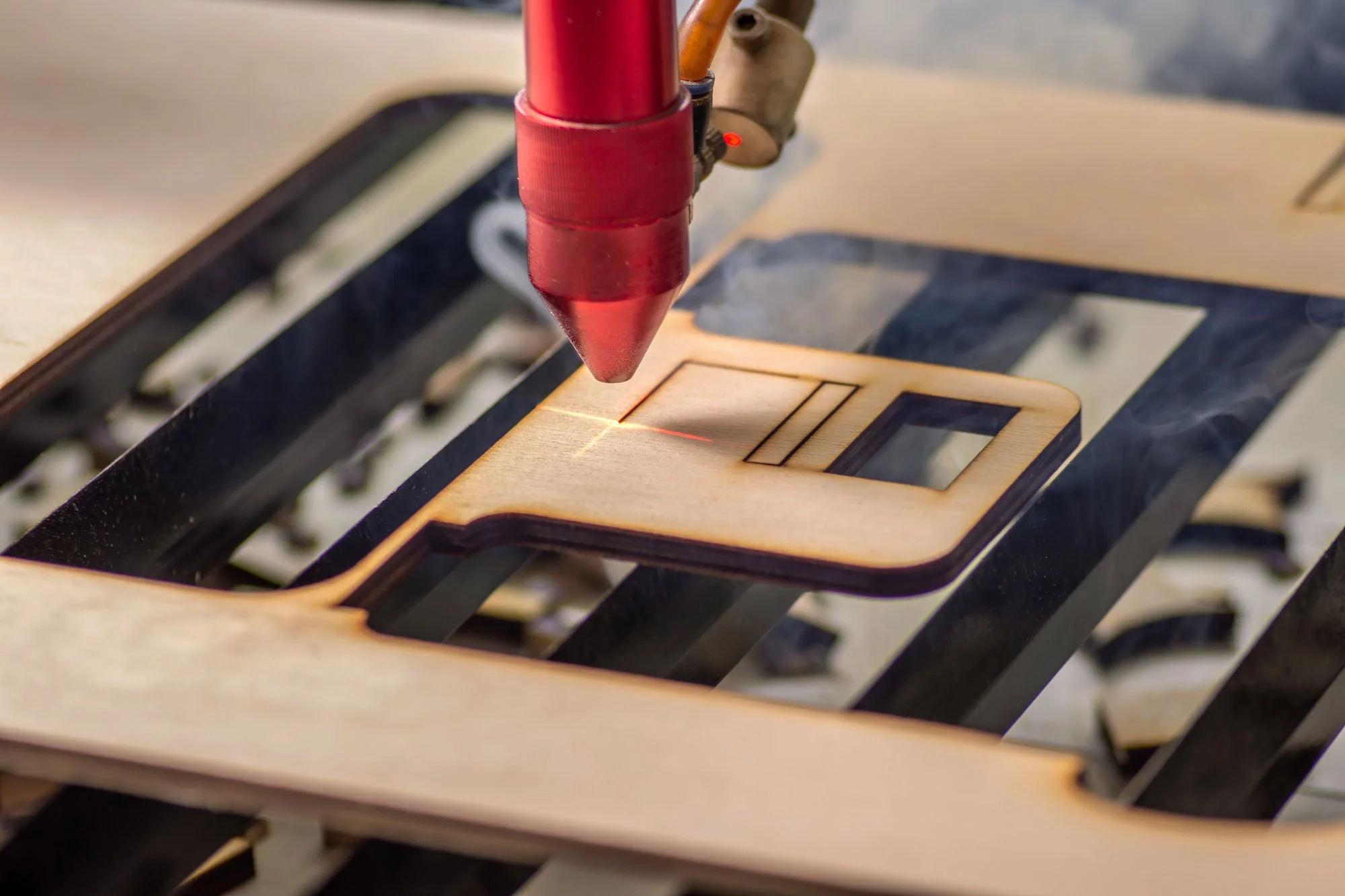
CNC machining is a computer-controlled manufacturing process used to shape and produce precise parts from a variety of materials like metal, plastic and wood. CNC stands for Computer Numerical Control, meaning pre-programmed software directs the movement of machinery and cutting tools. This technology enables consistent, repeatable and accurate production, making it essential in industries like aerospace, automotive and medical engineering.
CNC machining is a general term for these subtractive production processes, like turning, drilling and milling, all of which are performed with minimal manual intervention. It improves efficiency, reduces human error and allows for complex designs that would be difficult or impossible using traditional manual machining methods.
Advantages of CNC Machining
CNC machining as a selection of production processes offer high-precision, repeatability and efficiency for even the most complex components. It reduces human error, increases the speed of production, enables automation and supports high tolerances.
CNC Machining Applications
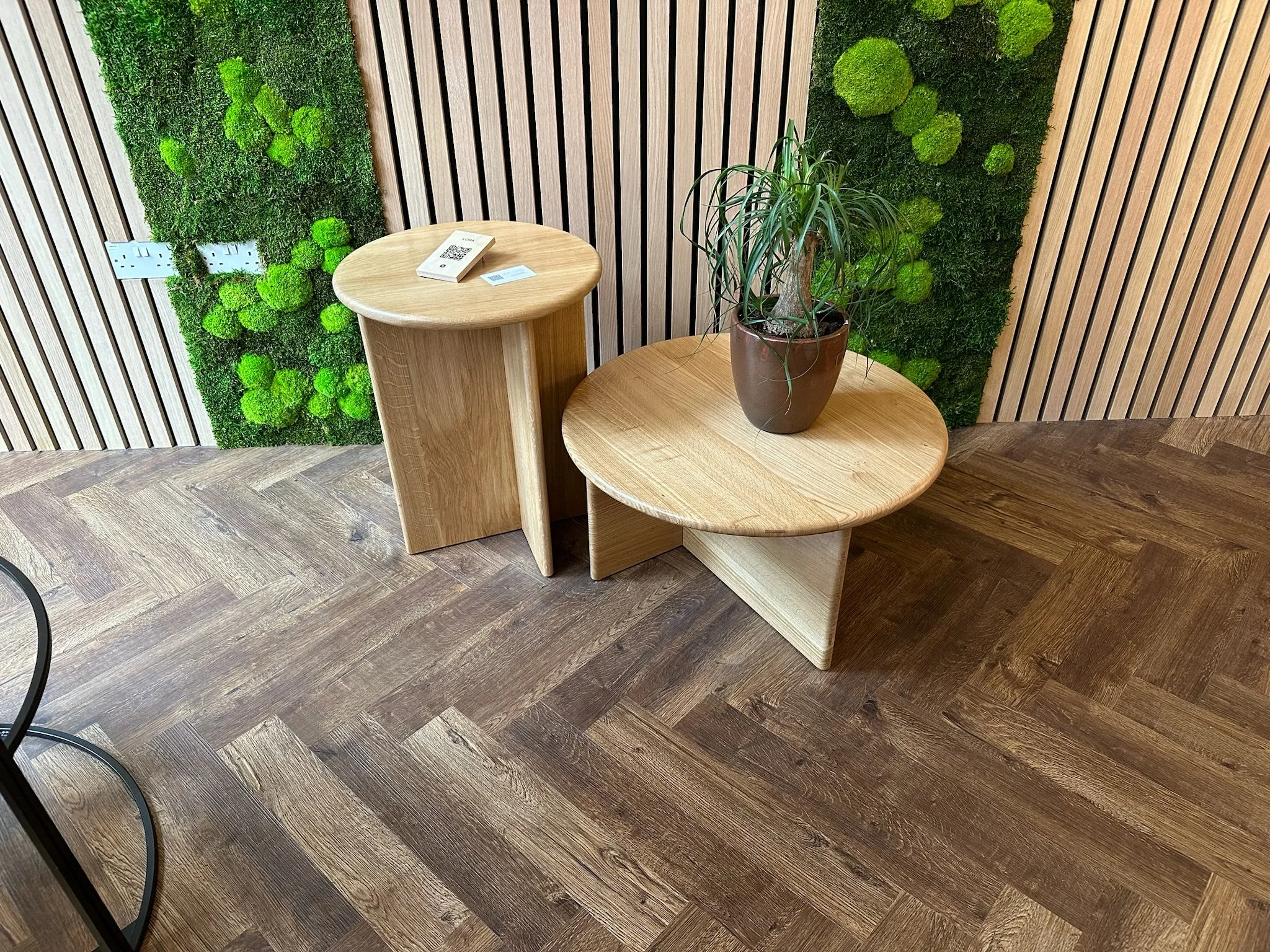
CNC machining is widely used in aerospace, automotive, medical and electronics industries to produce a wide variety of components and products like furniture, engine parts, surgical instruments, housings and prototypes, supporting both mass production and custom components with accuracy and efficiency consistently worldwide use.
CNC Milling Overview
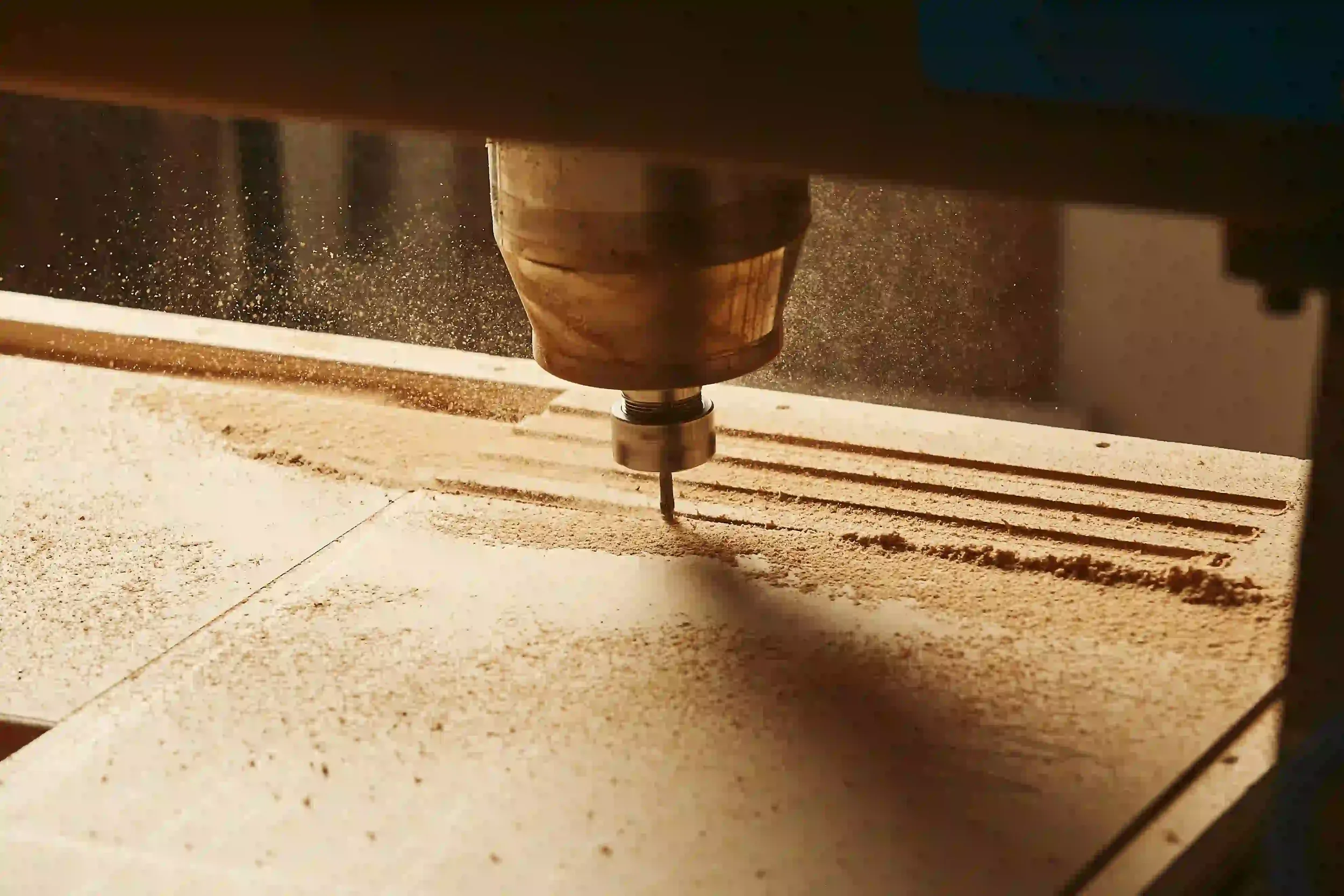
CNC milling is a more specific subtractive manufacturing process where rotating cutting tools remove material from a material. It is fully capable of creating precise shapes, slots and surfaces all from the control of a computer program which handles that accurate and repeatable component production process.
Advantages of CNC Milling
CNC milling provides excellent dimensional accuracy, smooth surface finishes and impressive scopes for flexibility when making complex geometries. It reduces setup times, enhances productivity and allows efficient prototyping and large-scale production of precision-engineered components across industries globally today.
CNC Milling Applications
CNC milling is a process that is used in the automotive, aerospace, medical and manufacturing sectors to produce engine blocks, moulds, fixtures and precision parts, enabling scalable production, rapid prototyping and consistent quality across complex industrial applications in any sector and for any environment.
Is CNC Machining the same as CNC Milling?
Yes, and no. In the same way that not all vacuum cleaners are hoovers but all hoovers are vacuum cleaners, CNC milling is a CNC machining process but CNC machining doesn’t just apply to milling.
Is CNC Milling a Subset of CNC Machining?
Yes, CNC milling is a subset of CNC machining, meaning it falls under the wider umbrella of computer controlled manufacturing processes that are known as “CNC Machining".
CNC machining includes multiple methods like turning, drilling, milling, grinding and electrical discharge machining, each serving different purposes. Milling specifically uses rotating cutting tools to remove material, while CNC machining describes the entire automated precision manufacturing ecosystem overall system.
What are the Differences Between CNC Machining and CNC Milling?
Manufacturing Processes Involved
CNC machining refers to a broad range of computer-controlled manufacturing processes, including turning, drilling, grinding and milling. CNC milling is just one of these processes, focused specifically on removing material using rotating cutting tools guided by programmed instructions for precision shaping.
Machine Types Used
CNC machining involves multiple machine types like lathes, milling machines, routers, grinders and various other EDM systems. CNC milling specifically uses milling machines equipped with rotating spindles and multi-axis movement to cut and shape a fixed workpiece accurately under computer control.
Complexity of Parts Produced
CNC machining can produce highly complex components by combining different processes and machine types. CNC milling is best suited for creating detailed 3D features and precise contours, but there are other machining methods that may be better for extremely intricate or specialised geometries.
Material Removal Techniques
CNC machining removes material using several methods, including cutting, abrasion, drilling and electrical discharge. CNC milling focuses on a single approach, using rotating cutting tools that progressively shave away material from a stationary workpiece to achieve the desired shape.
Production Speed and Efficiency
The efficiency level of CNC machining all depends on which specific machine is being used, the setup process of said machine and part requirements. CNC milling, on the other hand, is often efficient for producing accurate parts quickly, especially in batch production, thanks to automated tool paths and continuous cutting operations.
Cost Considerations
Like with many of the differences on this list, when it comes to ‘CNC machining’, the cost considerations will vary based on the material type, tooling, machining time and what process it is. CNC milling is often an economic choice for medium to large production runs, but can become costly for smaller projects.
Production Volumes
The various applications of CNC machining supports everything from single prototypes to large-scale manufacturing across different processes. CNC milling is commonly used for repeat production runs where consistency and precision are essential, making it suitable for medium to high volume output.
When to Use CNC Machining Over Milling
CNC machining is the preferred choice when projects require high precision, repeatability and the ability to produce complex parts with minimal manual intervention. It is particularly useful for intricate geometries, tight tolerances and larger production runs where consistency is essential.
Conventional milling may be suitable for simpler components or one-off jobs, but CNC machining offers greater efficiency and accuracy. In scenarios involving complex designs, multi-axis movements or repeat manufacturing, CNC machining is typically the more effective and cost-efficient solution.
Considerations When Choosing a Process
When deciding between CNC machining and milling, several factors should be evaluated:
Part Complexity: Components with intricate shapes, detailed features or multiple machining operations often benefit from CNC machining due to its advanced automation and precision capabilities
Production Volume: CNC machining is ideal for medium to high-volume production because it can repeatedly produce identical parts with minimal variation and reduced labour requirements
Tolerance Requirements: If a project demands consistently tight tolerances and high levels of dimensional accuracy
Lead Times: CNC machining can streamline production by reducing setup time and allowing automated operation, helping to meet shorter project deadlines
Material Type: Different materials may respond better to specific machining methods, due to the differences in hardness, machinability and finish requirements
Budget Constraints: While CNC machining may involve higher initial programming and setup costs, it can provide greater long-term value for complex or repeat production runs
Surface Finish Requirements: Projects requiring smooth finishes and minimal post-processing often benefit from the precision and consistency offered by CNC machining
How Cut to Size Can Help
Here at Cut to Size, our experts have years of experience in the refined practices of our world-class CNC machinery. This allows us to provide precision machining solutions that are tailored to your project requirements, so whether you need CNC machined components, milled parts or guidance on the most suitable process for your project, we can help.
Our expertise makes the discussion between CNC machining vs CNC milling that much simpler. Get in touch today to seek advice or request a free quote on your upcoming project.
Related Posts