What is CNC Machining & How Does it Work?
CNC machining is a highly desirable process of precision manufacturing that is ideal for creating complex parts right from their initial, digital designs. Our experts have compiled this blog post to explain the many intricacies of what CNC machining is, its key process and why it is so widely used across various industries for its accuracy, efficiency and repeatable capabilities.
CNC Machining Overview
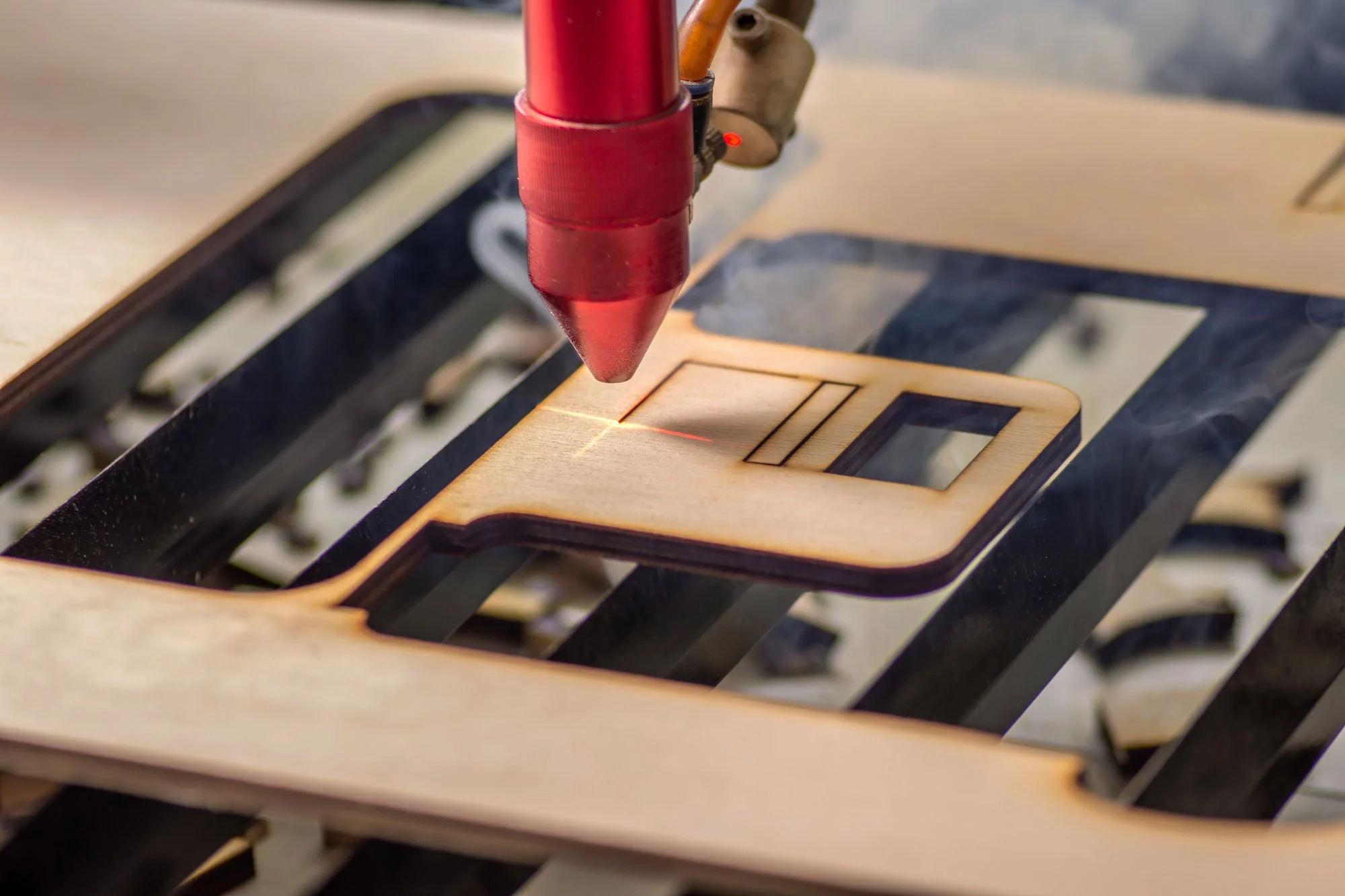
Computer Numerical Control machining or ‘CNC’ machining is a broad term that can apply to many different CNC tasks, like milling, routing, lathes and cutting.
What is CNC Machining?
CNC machining is a largely subtractive process where material is removed from a solid block by something like drilling, cutting or shaping, to create components from a digital CAD plan using pre-programmed software.
The Role of CNC in Manufacturing
The primary role of CNC processes in manufacturing is to allow processes to remain consistent along full, automated production runs. It also allows for more complex designs to be made with fewer examples of human error.
Advantages of CNC Machining
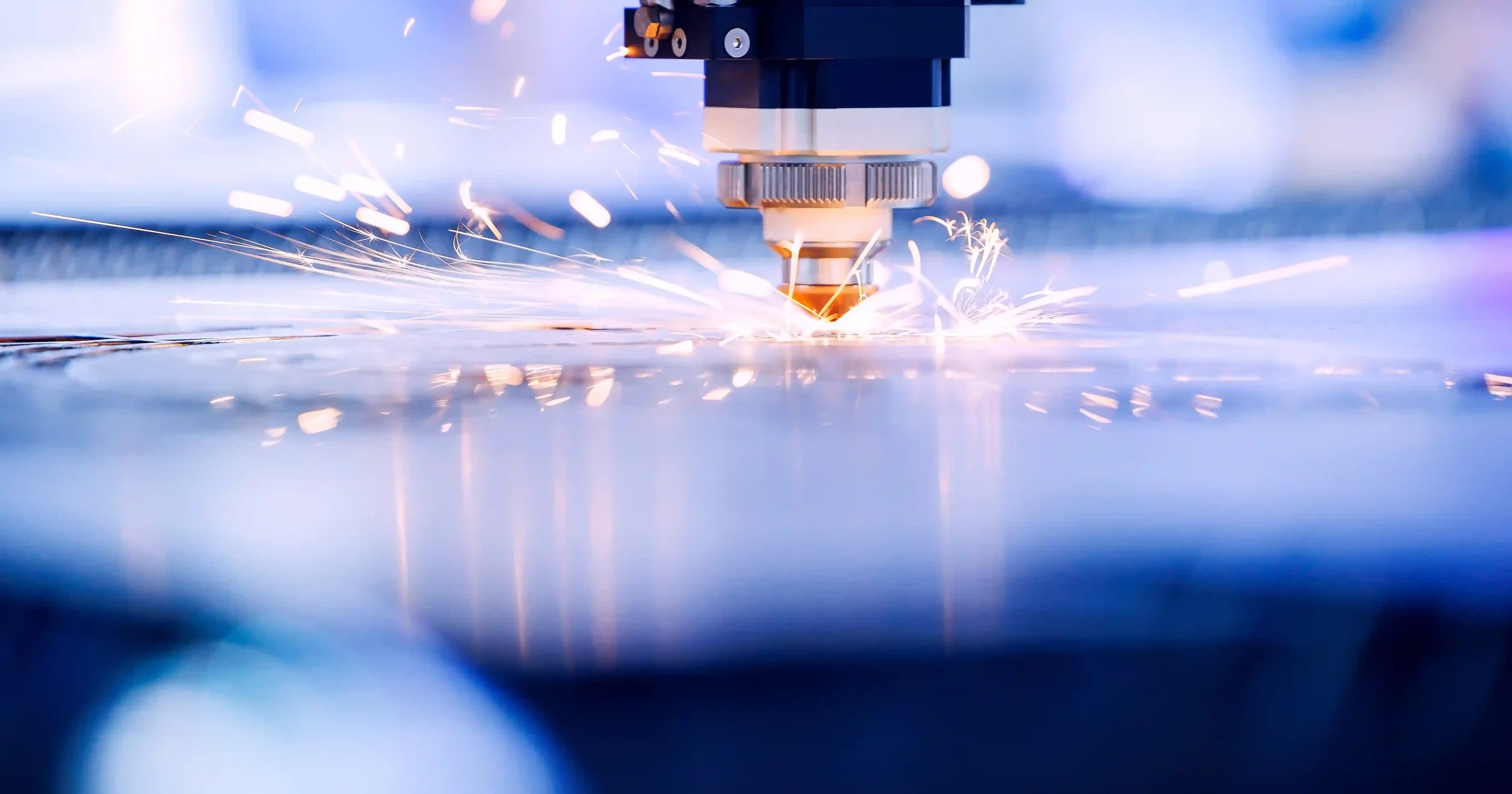
CNC machining has been one of the most popular production methods in recent years, with the initial ideas of the process dating back to the 1940s, thanks to multiple different advantages.
Accurate and Precise
The most obvious benefit of CNC machining is the high levels of accuracy and design precision that can be completed through computer-controlled instructions. It virtually eliminates human error and has minimal deviation even during long usage.
Faster Production Times
As every aspect of modern life hinges on expansion, the faster production times can help to fulfil orders far quicker, allows for more projects to be completed and can even have positive impacts on the cost efficiency of the process itself.
High Repeatability
Similar to the point about accuracy, CNC machines are able to maintain consistent standards and better repeatability levels compared to human manufacturing. This makes uniformed fabrication far easier and more accessible.
Scalable Volume Production
Whether a single prototype or full-scale, around-the-clock fabrication runs, CNC machining can easily adapt and scale to meet any demand. The computer software and programming can be reused as simply as pushing a button.
Complex Part Production
CNC technology is a great tool for creating consistent, complex and highly detailed geometries that could be difficult or time consuming to achieve manually.
Safe and Versatile
One of the aspects of any automated piece of equipment is a higher safety rating thanks to the reduced manual handling needed during operations. Most machines are compatible with a wide range of materials too, lowering the need for manual changes or renovations.
Cost-Effective
CNC machining helps reduce production costs by minimising material waste, generally lowering error rates and increasing operational efficiency. Automation also reduces labour input, making it an economical solution for both small and large runs.
CNC Machining Sectors
There are many sectors that can make the most of the advantages of CNC machining, including:
Aerospace
Automotive
Healthcare
Defence
Electronics
Construction
Engineering
CNC Machining Uses
Some of the more common uses for CNC machining is in the production of medical devices, electronic enclosures, aerospace components, tooling, engine parts and initial prototypes. Virtually anything that is compatible with this manufacturing method and requires repeatability and precision.
How Does a CNC Machine Work?
CNC machining as a whole process works through a digitally controlled workflow. Each stage of the process is designed to ensure total accuracy, repeatability and efficient production levels.
Design and Development (CAD Design)
Ascertaining CAD modelling and plans is where most manufacturing operations start. These precise drawings will either be created or refined to showcase required geometry, tolerances and dimensions. This stage is often seen as the foundation for accurate CNC production.
Machine Programming
The final CAD file is then translated into machinery code (G-code) that will, in turn, instruct the CNC system in its task. This is where pathing, speed and other movements are all chosen.
Materials and Chosen Cutting Tool
Whichever material is chosen for the project based on strength, aesthetic and environmental needs. Then the correct corresponding tool is chosen and fitted to complete the design.
Machine Operates
The CNC machine follows programmed instructions to cut and shape the material automatically. This controlled process ensures consistent accuracy, smooth operation and high quality output with minimal manual involvement.
Quality Assurance
Each finished part is carefully inspected against design specifications using precision measuring tools. This ensures all components meet required tolerances, quality standards and functional performance expectations.
Different Machining Options
CNC machining is actually a broad term that includes several methods like milling, turning, drilling, routing and grinding. Each technique is suited to different materials and design requirements from basic components to highly detailed parts. These processes allow manufacturers to achieve efficient, precise and repeatable production across both low and high volume manufacturing projects.
Axis
Depending on the required set up there are actually different types of CNC machines to be used based on their axes.
3-axis options operate along X, Y and Z directional axes for the more standard machining tasks.
Whereas 5-axis machines add 360° rotational movement capabilities for fewer setup steps and improved precision on complex shapes.
CNC Machining With Cut to Size
Cut to Size provides expert CNC machining solutions tailored to your project needs, whether that be single prototypes or full production runs. Our experts deliver precision, reliability and fast turnaround times across a wide range of industries.
Get in touch today for a quote or to find out more about what CNC machining is and your upcoming project requirements with our team.