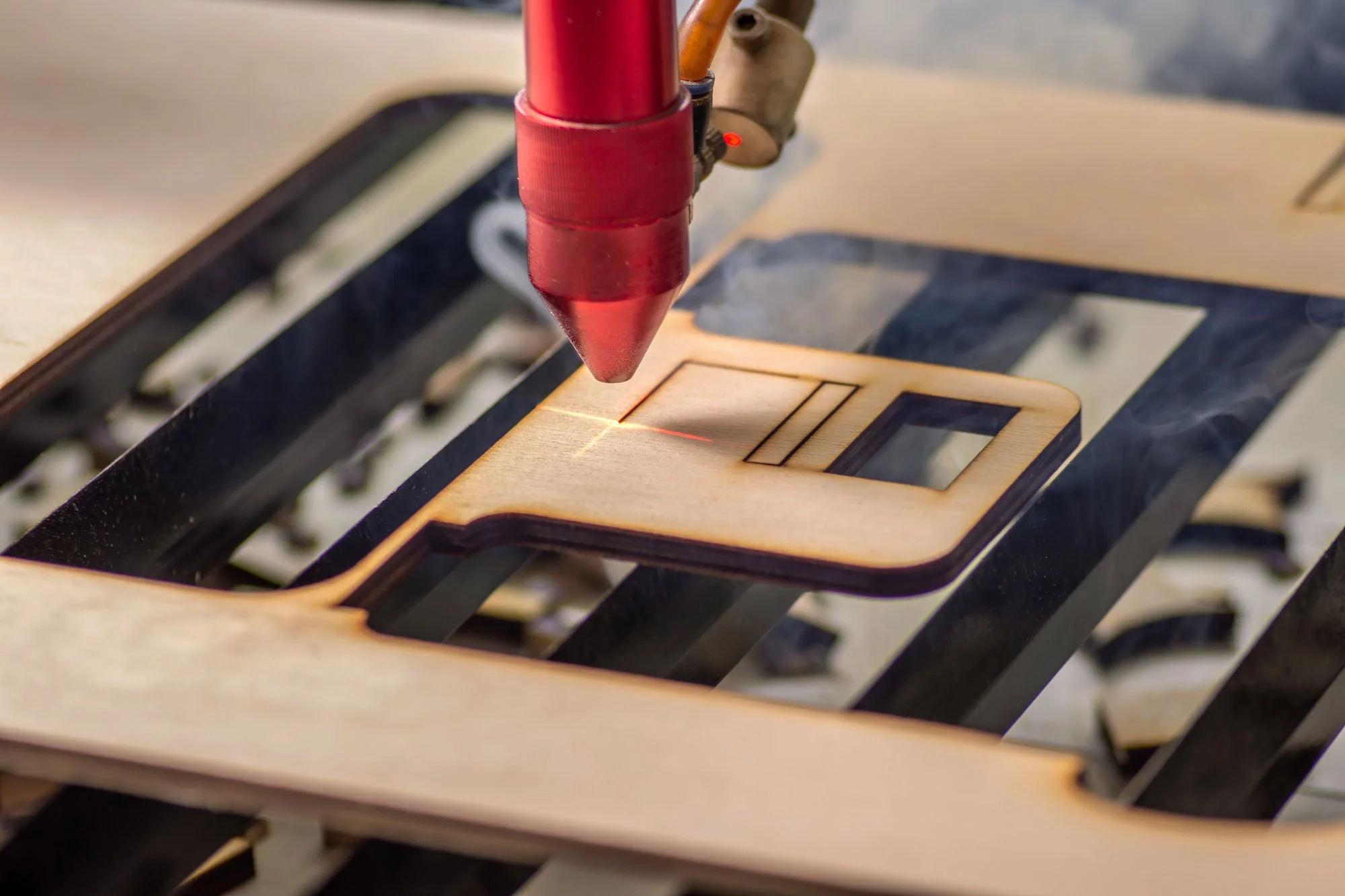
What is CNC Routing and How Does it Work?
CNC routers are used to create components for a huge range of products, from furniture to construction materials. But what is CNC routing and how does it work?
In this guide, the team here at Cut to Size breaks down what CNC routing is, how it works, the benefits, the materials it can be used for and which sectors stand to benefit. Keep reading to learn more or to speak directly to an expert, just call us now on 01527 352306.
What is CNC Routing?
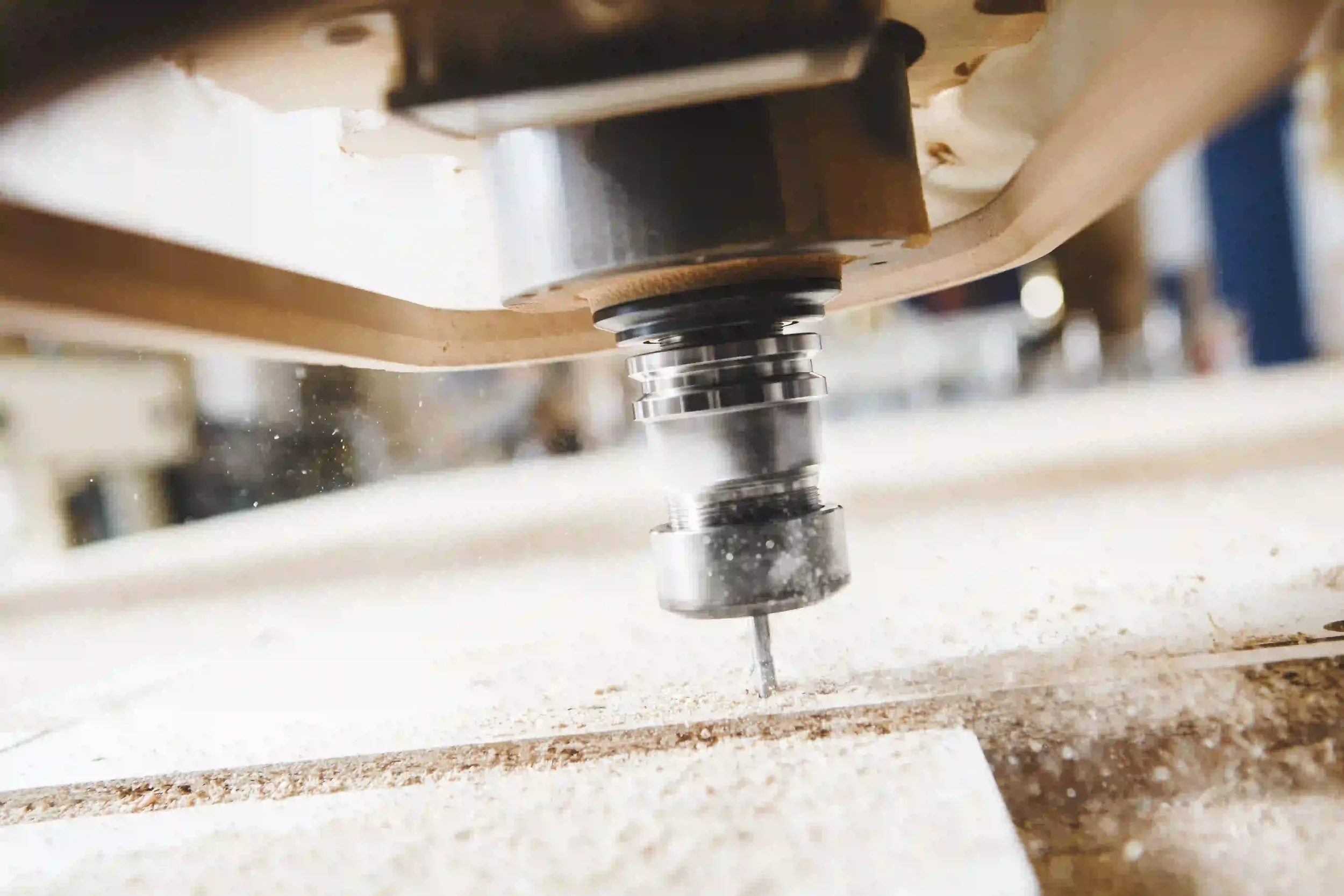
There are two parts to CNC routing: routing and CNC. Let’s start with routing. Routing is the process of hollowing out sections within a hard material, usually wood. It uses a rotating tool to create grooves, edges and areas for inlays.
CNC stands for computer numerical control, and is a means of controlling a tool like a router using computer software. A digital map of the end product is programmed into the CNC machine which it then follows to make incredibly precise cuts.
CNC routing, therefore, is the combination of a CNC machine with a routing tool, used for high-precision routing at speed.
What Does CNC Routing Do?
CNC routing allows for the production of large volumes of components with incredible accuracy and repeatability. It’s a vital process in modern manufacturing and is used in everything from furniture making to signage and shopfitting. CNC routing serves as both a construction process and a finishing tool, as it can be used to cut grooves for assembly or for edging and inlays.
CNC routers, as opposed to hand tools, are far less wasteful, more accurate and much faster, providing time and cost savings.
Benefits of CNC Routing
There are a wide range of benefits when it comes to CNC routing, making it the preferred process for a selection of industries and products.
Highly Precise
Thanks to the use of CNC technology, CNC routing is incredibly precise. Cuts can be made to extremely tight tolerances and with next to no errors. This reduces waste and saves material.
Fast and Efficient
CNC routing is far faster than working by hand, producing finished components in a fraction of the time with perfect repeatability. CNC software also allows operators to carefully map cuts to reduce the amount of movement the tool arm has to make between actions. This makes CNC routing fast and highly efficient.
Versatile
CNC routers are incredibly versatile, able to switch between different materials and cut types quickly and easily. This makes producing large or complex parts much more straightforward.
Safe, Automated Process
Hand routing tools take time to use and can cause injury and accidents. CNC routing, on the other hand, is entirely automated, freeing the operator to carry out other tasks and shortening turnaround times. CNC routing machines are also entirely enclosed, making them safe to use and work around.
Cost Effective with Minimal Waste
Because all CNC routing cuts are mapped out in advance, they can be placed as close to one another as the material will allow. Additionally, because CNC routers are so precise, they keep errors and waste to a minimum. This, combined with its speed, makes CNC routing a cost-effective, low-waste process.
CNC Routing Process
The CNC routing process is simple, and involves five main steps:
01 - Create the Design File
To start, the desired component needs to be mapped out using CAD software. This provides the router with precise details on dimensions, shapes and features.
02 - Prepare the Material
Next, the material is selected, cut to size for the router and placed onto the router bed.
03 - Program the CNC Router
The design file is then converted into machine instructions which guide tool paths as well as cutting depth and speed.
04 - Machine the Material
After it’s loaded and programmed, the CNC router can make the desired cuts quickly and precisely.
05 - Check and Finish
Finally, after the routing is complete, the piece is removed from the bed and inspected. It can then be cleaned and finished if needed.
What Materials Are Suitable for CNC Routing?
CNC routing is a highly adaptable process, and can be used on a wide variety of materials. Some of the most common include:
Wood
Plastics
Metals
Composites
Foam
Laminates and veneers
Routing works best with stiffer materials, and suitability will vary based on thickness, density and your desired finish.
Which Sectors Can CNC Routing Help?
Thanks to its speed, precision and versatility, CNC routing is an extremely useful tooling process. It’s used across a wide range of industries, including:
Construction - wall panels, cladding, formwork, stair components, timber frames
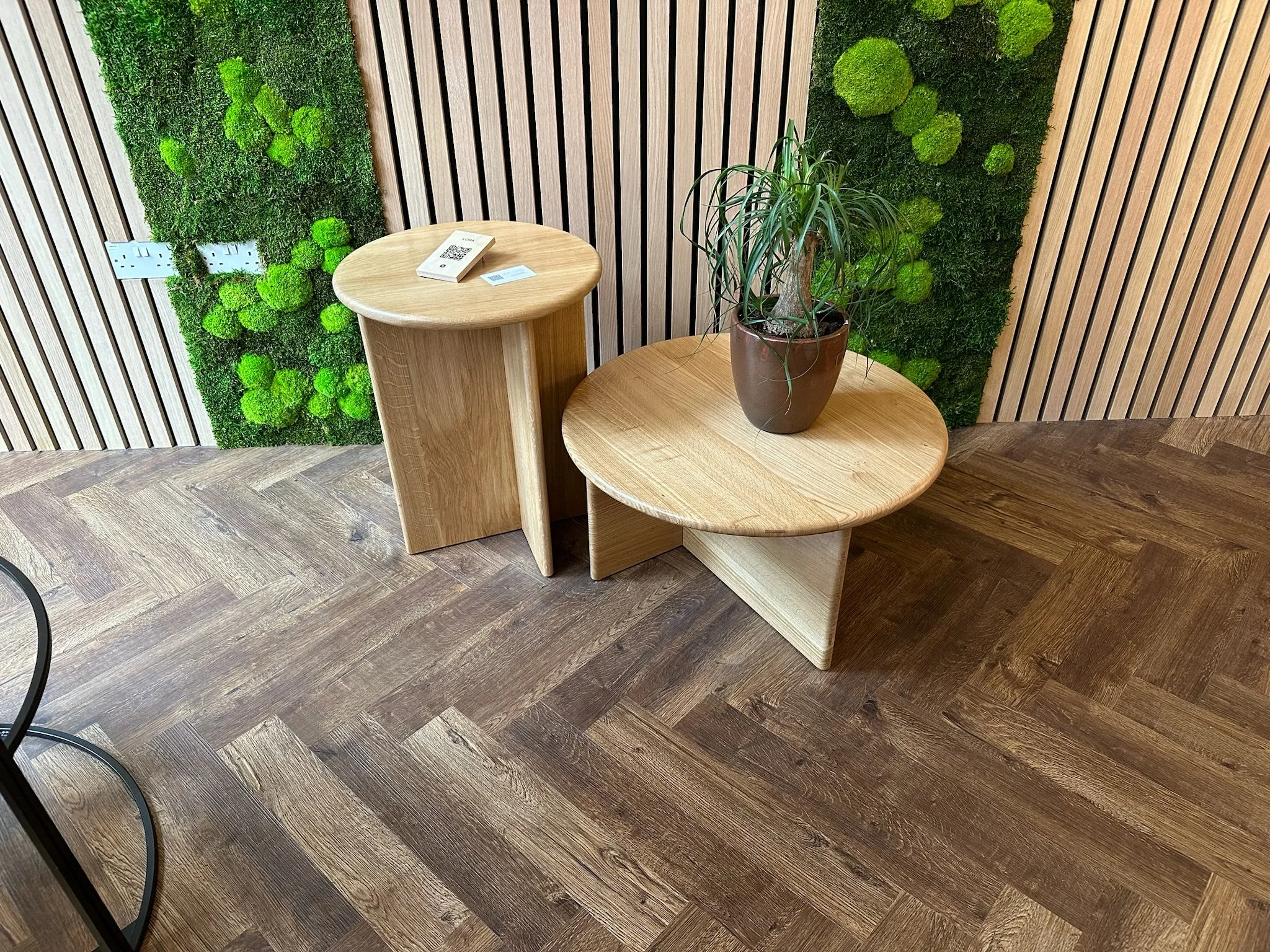
Furniture manufacturing - cabinets, desks, shelving, doors, decorative panels, frames for upholstery
Shopfitting - display stands, counters, signage, POS displays
Signage - illuminated signs, engraved panels, lettering, branding displays
Architecture and interior design - feature walls, partitions, acoustic panels, bespoke decorative elements
Arts and creative industries - sculptures, installations, engraved artwork, set design
Events and exhibitions - exhibition stands, staging, branded displays, kiosks
Manufacturing and engineering - machine guards, jigs, templates, prototypes, production components
CNC Routing at Cut to Size
At Cut to Size, we offer high-grade CNC routing perfect for a wide range of materials, applications and industries. We use top-of-the-line machinery and our team is highly experienced, ensuring quality results every time.
From prototyping to finished products, from events to manufacturing, we can deliver the CNC routed parts you need for your project. To discuss your needs, just contact our team today by calling 01527 352306, emailing info@cuttosize.co or filling out our contact form.