Is CNC Machining Worth it for Small Batches?
Small batch CNC machining is an efficient way to produce high-quality parts without the need to commit to costly, larger production runs. This guide has been compiled by our experts to delve into the advantages of small batch CNC machining in the UK, how it compares to other methods, what industries can benefit from it the most, how to know whether it is the right choice for you and a variety of other factors.
Small Batch CNC Machining Explained
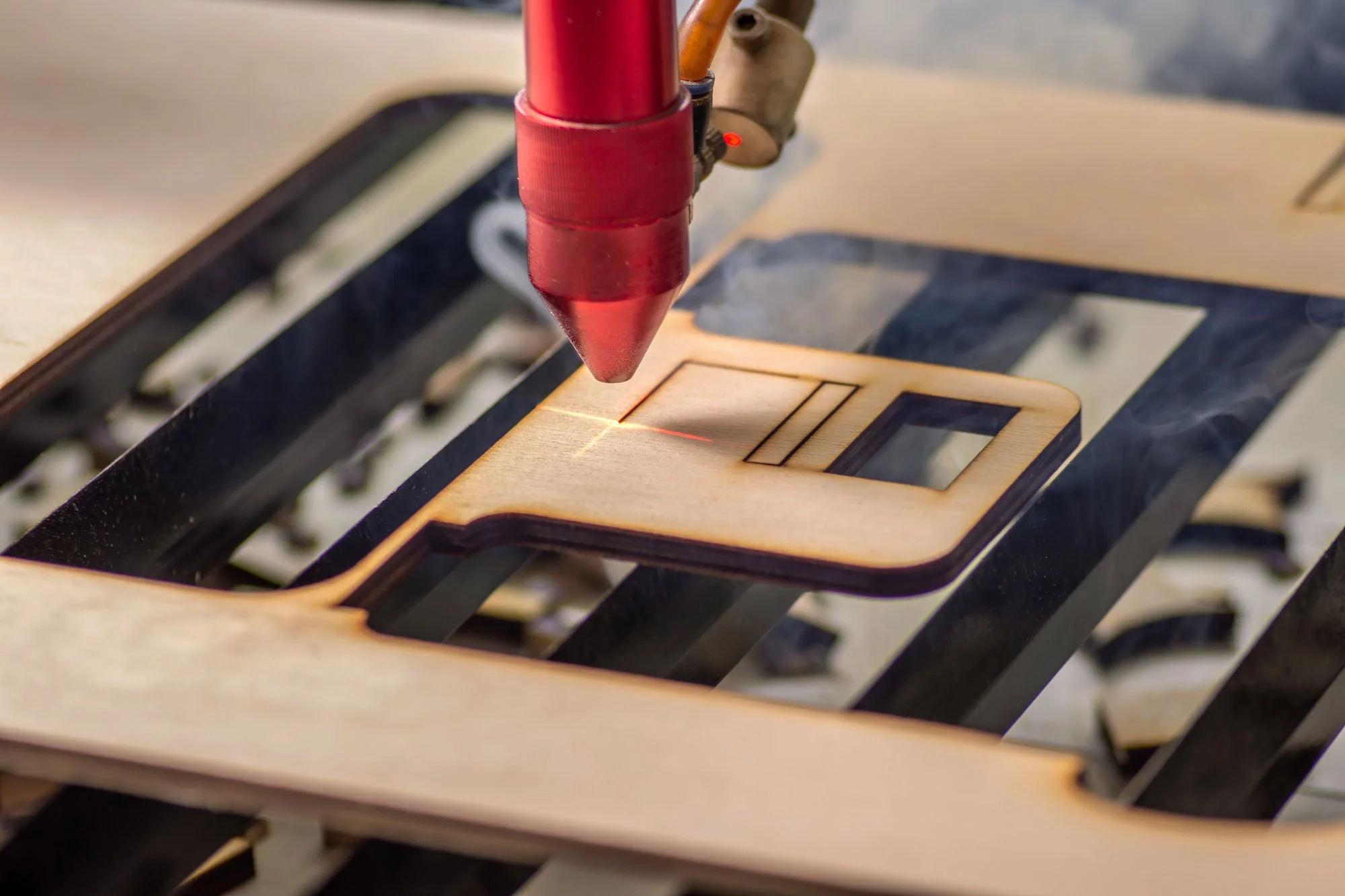
CNC machining, being implemented into a small batch project, is a manufacturing process that uses computer-controlled machinery to produce a limited quantity of identical or similar parts. It bridges the gap between one-off prototypes and full-scale production, allowing businesses to manufacture precision components efficiently while maintaining flexibility, consistent quality and cost control throughout the production process.
What Counts as a Small Batch?
A ‘small batch’ typically refers to a production run that is larger than the initial prototype but far smaller than a mass production run. The exact quantity varies on the specific project, component or industry. Small batch orders are typically chosen when businesses need flexibility, product testing, replacement components or limited production without investing in expensive tooling.
Benefits of Small Batch CNC Machining For Businesses
Precision and Repeatability
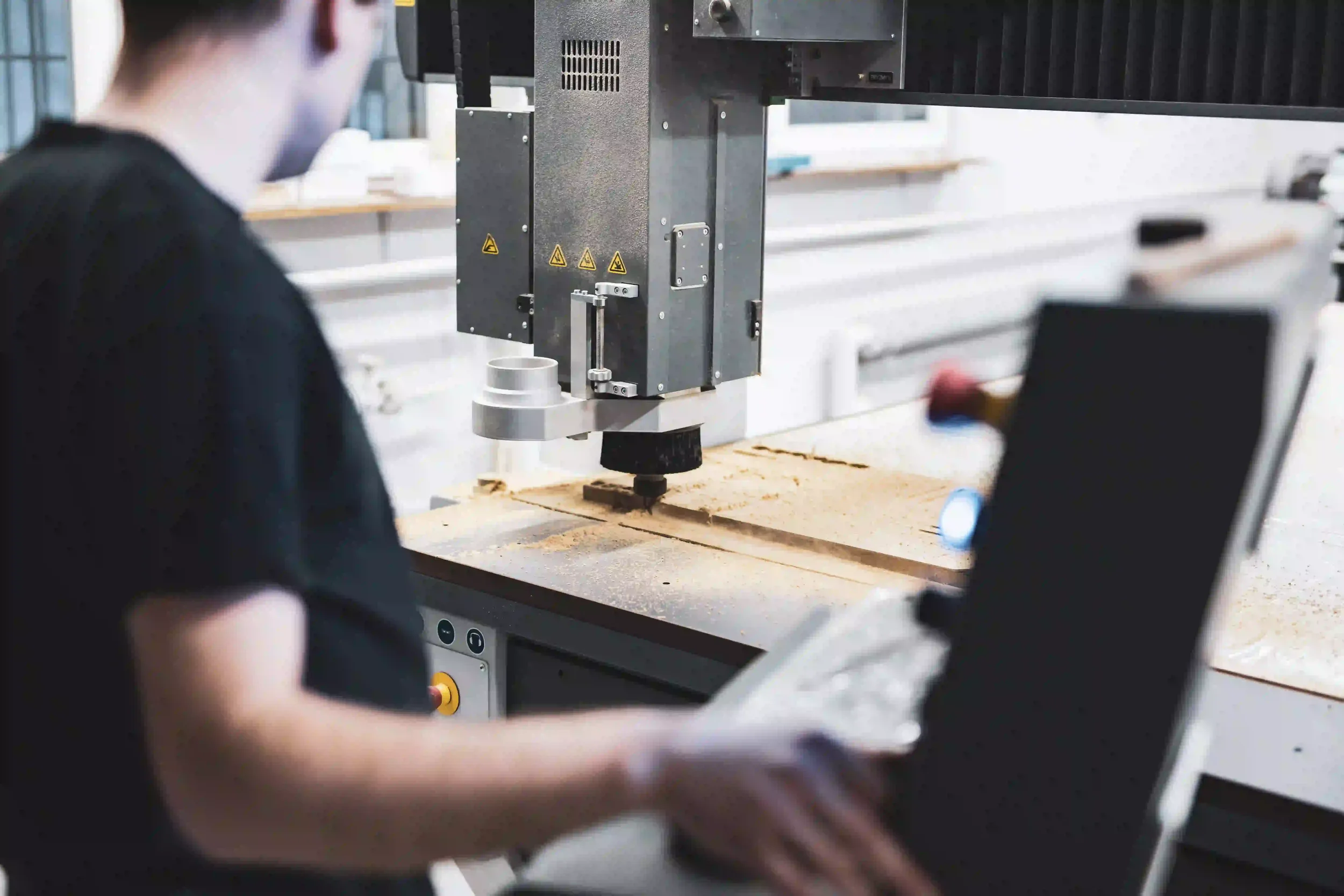
CNC machining across the board is important for completing component manufacturing with exceptional accuracy of highly repeatable processes. This level of repeatability is especially valuable when producing small quantities that still require professional, production-quality standards.
Quick Turnaround Times
Small batch CNC machining allows businesses to move from design to production quickly because there is no need for complex tooling. Faster programming and machining reduce lead times, making it ideal for urgent projects, product launches, replacement parts and businesses needing components delivered within shorter manufacturing schedules.
Cost-Effective
For smaller production runs, CNC machining avoids the high upfront tooling costs associated with many manufacturing methods. Businesses only pay for the machining required, making it an economical option when producing limited quantities. This approach also reduces financial risk when developing new products or testing market demand.
Consistent Quality
Every component produced through CNC machining follows the same programmed instructions, ensuring reliable quality throughout the entire batch. Consistency reduces the likelihood of defects, simplifies quality control and provides confidence that every finished part will meet the required specifications, even when manufacturing relatively small quantities.
Surfacing Finishes
Small batch CNC machining supports a wide variety of surface finishes to improve both appearance and performance. Different finishing options can enhance durability, smoothness or visual appeal while meeting project requirements. This flexibility allows businesses to produce finished components ready for assembly, installation or direct customer use.
Easy Design Modifications
Design updates can be implemented quickly by modifying the CNC program rather than replacing expensive tooling. This makes small batch production particularly useful during product development, allowing businesses to refine designs, improve functionality or respond to customer feedback without significant manufacturing delays or additional setup costs.
Full Service From Start to Finish
Many CNC machining providers offer complete project support, including design reviews, material selection, machining, finishing and quality inspection. This streamlined service simplifies production for customers while ensuring every stage is managed professionally.
CNC Machining vs Other Manufacturing Methods for Small Batches
CNC Machining vs Injection Moulding
Injection moulding is highly efficient for producing large quantities because tooling costs are spread across thousands of parts. However, those initial tooling costs can make small production runs expensive. CNC machining requires no dedicated moulds, allowing businesses to produce smaller batches quickly, affordably and with greater design flexibility.
CNC Machining vs Sheet Metal Fabrication
Sheet metal fabrication is ideal for producing folded or formed metal components, while CNC machining creates highly detailed parts with greater dimensional accuracy. For small batch projects requiring complex shapes, tight tolerances or wooden components, CNC machining often provides greater versatility and a higher-quality finish.
Industries That Can Benefit From Small Batch CNC Machining
Many industries rely on small batch CNC machining to produce precision components without committing to large production volumes, including:
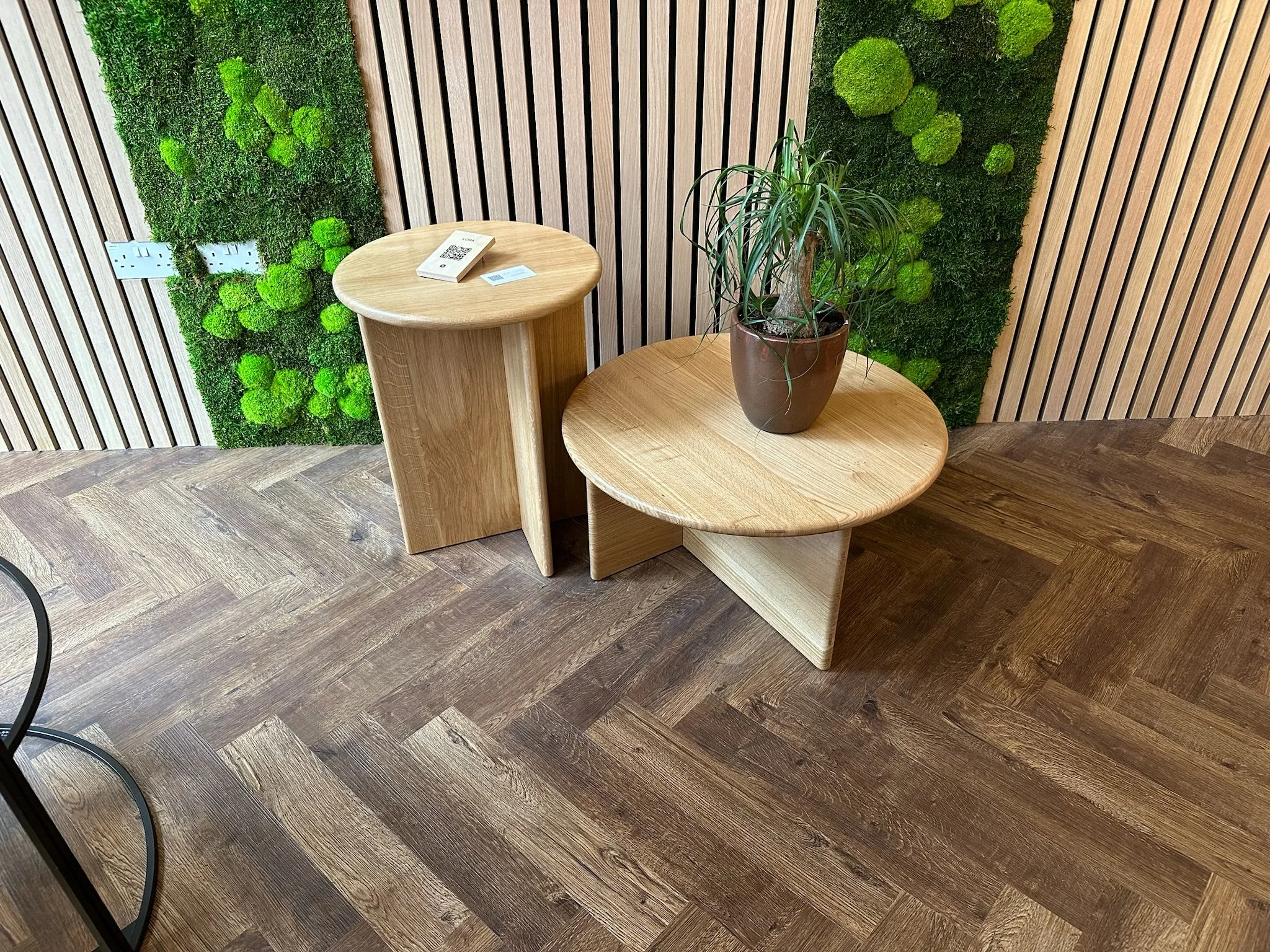
Furniture manufacturing: Produce bespoke wooden furniture components, prototypes, replacement parts and custom joinery with excellent accuracy
Interior design: Create decorative panels, bespoke fixtures, display pieces and customised architectural features
Retail and shopfitting: Manufacture display units, point-of-sale fixtures, branded installations and bespoke shelving systems
Construction: Produce specialist timber components, architectural details and custom building elements for individual projects
Product development: Manufacture functional prototypes and low-volume production parts before moving into larger-scale manufacturing
Engineering and manufacturing: Produce jigs, fixtures, machine components and replacement parts with consistent quality and precision
Cost Factors for Small Batch CNC Machining
Material Selection
Material choice has a significant impact on machining costs. While hardwoods, softwoods, plywood, MDF and engineered timber products are popular options, each varies in price, machining time and finishing requirements. Premium materials may increase costs but often deliver improved appearance, durability and performance for specialist applications.
Part Complexity
The more intricate a design becomes, the longer it typically takes to machine. Complex shapes, tight tolerances, multiple machining operations and detailed features all increase production time. Simpler designs are generally faster to manufacture, helping reduce overall costs while still achieving excellent quality and precision.
Finishing Choices
Sanding, staining, painting, sealing or specialist coatings all add value but increase production time. Selecting the right finish ensures components achieve the desired appearance, durability and performance for their intended application.
Order Quanitity
Although small batch CNC machining is designed for limited production, order quantity still influences pricing. Producing multiple identical parts spreads programming and setup costs across the batch, reducing the cost per component.
Conclusion
Yes, CNC machining is often worth it for small batches because it combines precision, flexibility, fast turnaround and cost efficiency without requiring expensive tooling. It is particularly suitable for bespoke products, prototypes and limited production runs. To begin the process, businesses will typically need a CAD file, design specifications, material preferences and project requirements.
How Cut to Size Can Help
At Cut to Size, we provide expert small batch CNC machining services tailored to your project requirements. From design support and material selection through to precision machining and finishing, our experienced team delivers high-quality results every time.
If you already have a completed CAD file or are in need of some guidance to help you get started, contact our team today to discuss your project and receive a personalised quotation.
Related Posts