What Is CNC Machining Used For?
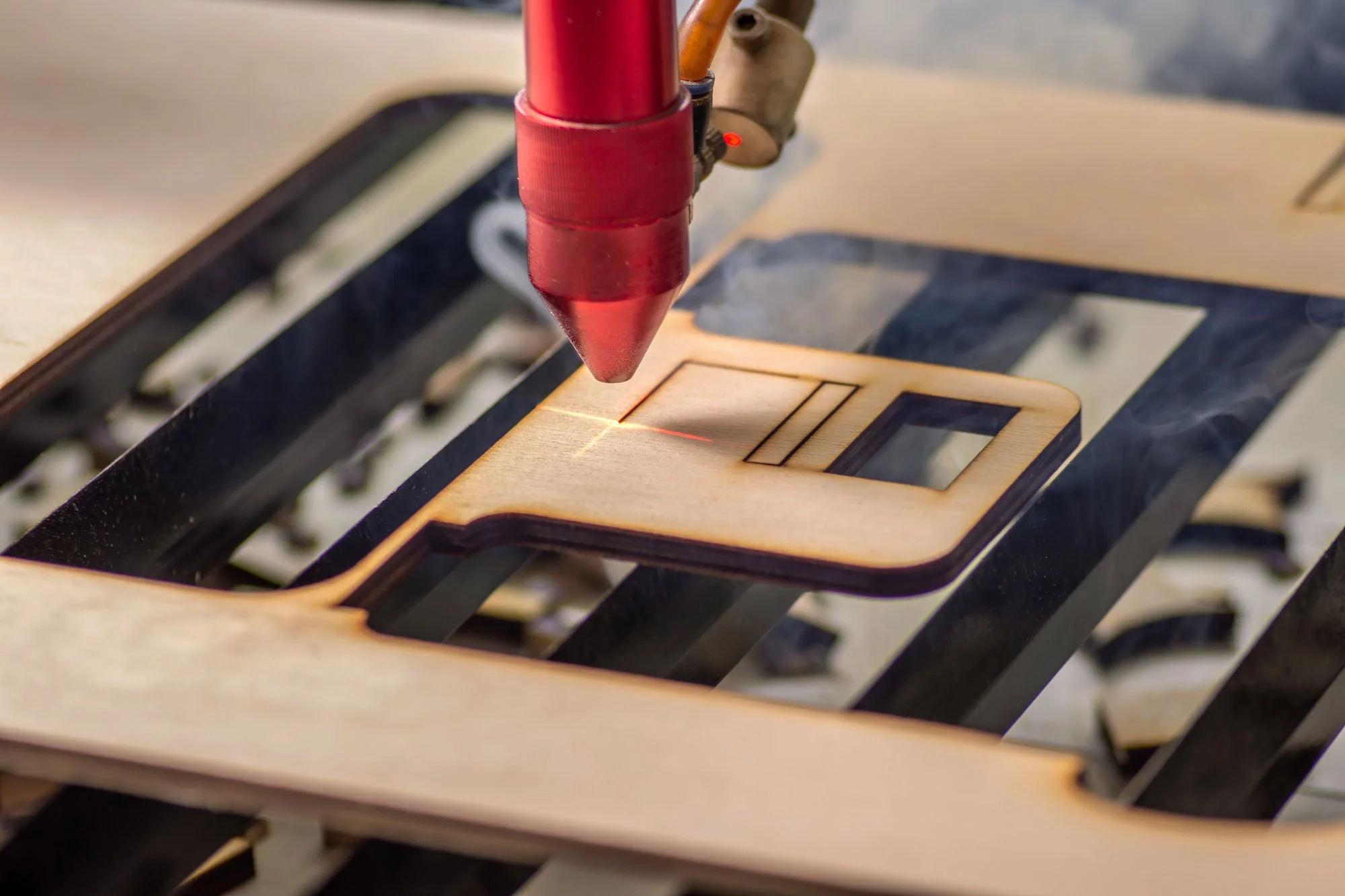
CNC machining is used to turn digital designs into accurately sized and shaped components. It might be a one-off panel made for an awkward space, a prototype that needs testing or hundreds of matching parts for an ongoing product range.
Cutting is only part of the job. Depending on the equipment, CNC machinery can drill holes, form grooves, create recesses and machine detailed profiles into the same component. This gives businesses a practical way to move from a drawing to a finished part without setting out every feature by hand.
If you’re unfamiliar with the process itself, our guide to what CNC machining is explains how computer-controlled machining works in more detail.

What Can CNC Machining Be Used To Make?
There is no single type of CNC-machined product. In many cases, the machine produces parts that will later become part of a larger item or installation.
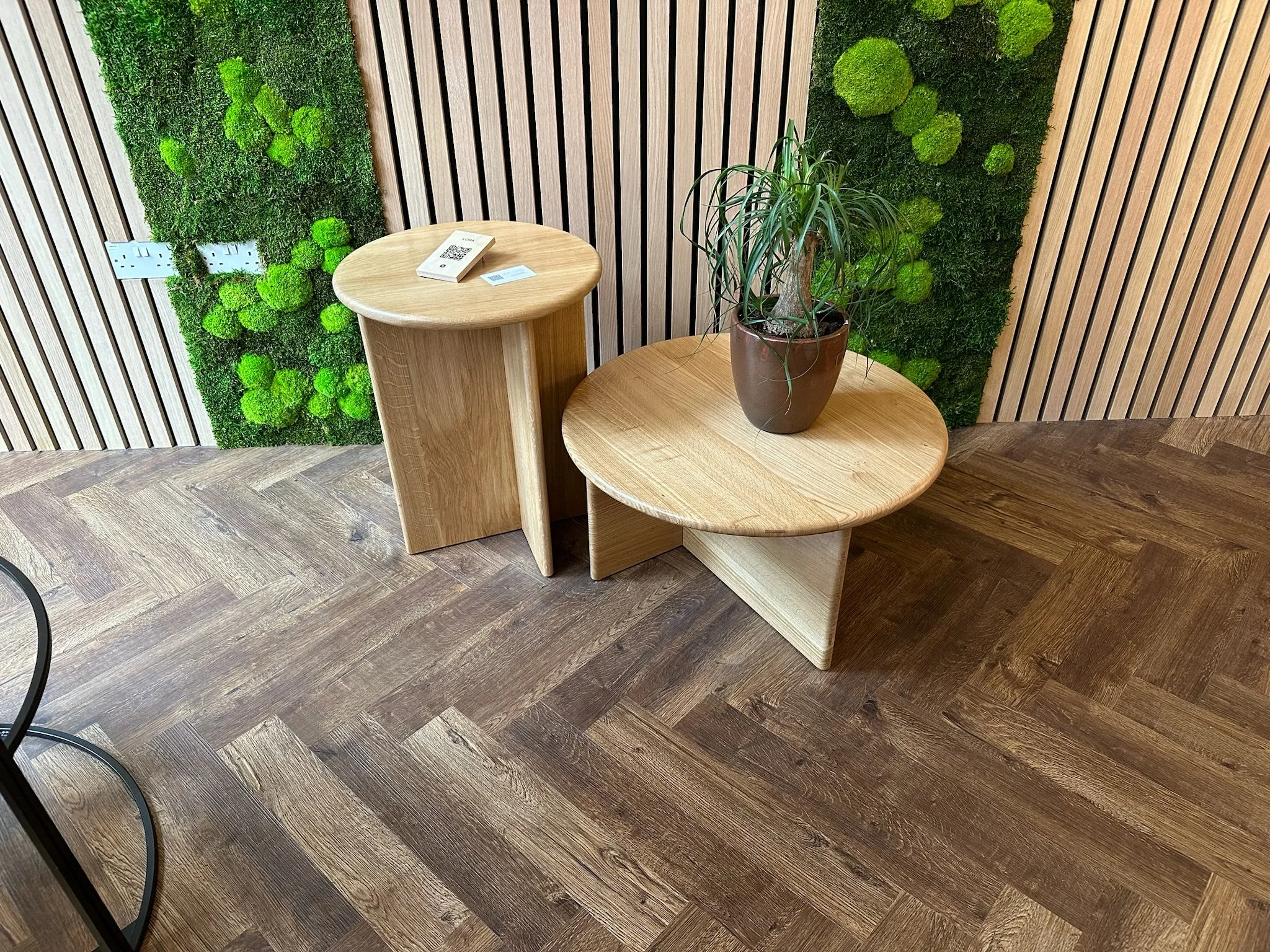
A furniture manufacturer may need cabinet sides, doors, drawer components or table tops. A signage company could order shaped letters and backing panels, while a shopfitter might require shelves, counters, plinths and display parts made around an agreed store design.
Other uses include machine or equipment components, joinery parts, decorative panels and prototypes. The process is equally relevant when a business needs one unusual piece or matching components for repeat production.
Some parts only need an outside profile. Others may include fixing holes, channels, cut-outs or pockets machined to a set depth. What can be produced will depend on the material, component dimensions, available machinery and required tolerances.
CNC Machining for Bespoke Components
Off-the-shelf components are designed around standard situations. Real projects do not always follow them.
Fitted furniture may need to work around a sloping ceiling, uneven wall or existing building feature. An equipment panel could require openings for connections in exact positions. Retail fixtures and signage often have to fit an established layout rather than a convenient set of standard measurements.
CNC machining allows these requirements to be built into the component from the start. Custom dimensions and irregular profiles can be taken directly from the design. Holes, grooves and recessed fixing points can also be added during machining instead of being marked and cut separately afterwards.
This is useful when several features need to line up. A row of fixing holes can be positioned in relation to an adjoining panel, for example, while cable openings can be placed around the equipment that will sit within the finished unit.
Commissioning a bespoke part also avoids modifying a standard component and hoping the result still works. The piece is produced around the project rather than adapted after manufacture.
CNC Machining For Prototypes And Product Development
A design can look finished on screen but behave differently once it becomes a physical object.
Producing an initial prototype component gives the project team something they can assemble and test. They may find that a joint needs more clearance, a fixing point is difficult to reach or part of the design feels too heavy once it is made in the intended material.
Those findings can be taken back into the digital file before further parts are produced. The next version is then machined using the revised dimensions rather than altered by hand.
CNC machining is particularly useful when a prototype needs to be functional. Components can be made from the material planned for production, allowing the team to assess fit and practical performance more realistically.
It is not the best prototyping method in every case. A visual model or early concept may be better suited to 3D printing or another process. The right approach depends on what the prototype needs to prove, the material required and how much of the design has already been resolved.
CNC Machining for Repeat Production
Once a part has been approved, its machining programme can be retained for the next order. The same dimensions and profiles do not need to be set out again for every component.
That repeatability matters when separate parts must fit the same frame or assembly. Small variations between cabinet panels, for instance, can create unnecessary work further along the production line. Machining them from the same approved design helps keep those differences under control.
The process can support short batches as well as larger production requirements, provided the material, setup and available machine capacity suit the job. Manufacturers can also outsource batches when their own equipment is fully committed.
A saved programme is not a substitute for quality control. Tool condition, material variation and machine setup can all affect the result, so finished parts still need to be checked throughout production.
CNC Machining for Complex Designs and Detailed Components
The value of CNC machining becomes particularly clear when a component needs more than a basic straight cut.
Curves and unusual outside profiles can be programmed into the toolpath. The machine can also create drilled holes, internal cut-outs, repeated patterns, grooves and pockets machined to a specified depth. Several of these details may appear on the same part.
Consider a cabinet side panel. Its outside dimensions could be cut first, with shelf positions, fixing holes and a groove for the back panel added during the same production setup. Once finished, the part arrives ready for the next stage rather than requiring several separate manual operations.
There are practical limits. A cutting tool has a fixed diameter and needs enough room to reach the area being machined. Very tight internal corners or unusually deep features may need to be adjusted during the design review.
The material matters too. A profile that machines cleanly in MDF may need a different approach in plywood or solid timber. Machinery, tooling and material behaviour all have to be considered before the design is approved.
What Materials Can CNC Machining Be Used For?
Wood and wood-based boards are an important part of Cut to Size’s CNC machining work.
MDF has a consistent structure that suits cabinet parts, painted furniture and routed decorative panels. Its machined edges generally need preparation before painting because they absorb finishes differently from the face of the board.
Plywood is often chosen for shelving, furniture frames, cabinetry and exposed-edge designs. Its layered construction can become part of the finished appearance, although the grade and face quality need to suit the intended use. Board thickness and internal construction can also affect the machining setup. Learn more about CNC machining plywood.
Hardwoods and softwoods can be used for furniture, joinery and shaped timber components. Unlike manufactured boards, natural timber varies from one piece to another. Grain direction, knots and movement therefore need to be considered when planning the job.
Cut to Size also works with selected plastics, aluminium and composite panels. The precise grade should be confirmed before machining because materials within the same broad category can require different tools, speeds and production methods.
What Industries Use CNC Machining?
The same CNC equipment can produce very different work depending on the sector using it.
Furniture and joinery businesses need panels, doors, frames and cabinet parts. Shopfitters use machined components in retail displays, counters and fitted interiors, while signage projects may involve shaped lettering, backing panels and branded features.
Construction, general manufacturing and product development also use CNC machining where parts must be produced from agreed drawings. The common requirement is usually a bespoke component, a detailed design or a quantity of matching parts.
Explore which industries CNC machining can help with for a closer look at sector-specific applications.
When Is CNC Machining a Good Choice?
The clearest reason to consider CNC machining is that the job would be difficult to reproduce consistently by hand.
A part may contain detailed cut-outs, several fixing holes or dimensions that need to stay controlled across an entire batch. The same applies when a design is likely to be ordered again. Retaining the approved digital file and machining programme avoids starting from scratch each time.
It can also suit one-off work. A single panel with an unusual outline, carefully positioned recesses or several connected features may justify CNC production even when no repeat order is planned.
Straightforward jobs do not always need it. If the requirement is one basic cut with no demanding dimensions or additional details, a manual method may be quicker to set up. Material, quantity, complexity and finish should decide the process rather than CNC being treated as the automatic choice.
CNC Machining vs Manual Cutting: Which Is Better for Different Applications?
Neither method is better for every job. Manual cutting remains a sensible option for simple work, especially when an experienced operator needs to make small adjustments as the job progresses. It can also avoid the programming and setup involved in CNC production where only a basic one-off part is needed.
CNC machining earns its place when a component has detailed geometry or several features that must relate accurately to one another. It also becomes useful when the same part must be produced more than once.
Quantity alone does not settle the question. One complicated component may suit CNC machining, while a handful of simple pieces could still be cut manually. Accuracy requirements, available equipment and the intended finish all influence the decision.
Read more about choosing CNC machining over manual processes if you are weighing up the two approaches.
From Design To Finished CNC-Machined Component
A useful drawing makes it much easier to assess and manufacture the part correctly. Cut to Size’s process generally follows these stages:
Share the project details: Provide a drawing, CAD file or initial requirements. Include the intended material, dimensions and quantity if they have already been decided.
Review the design: The team checks the geometry, material and required finish, along with any tolerances or assembly details that could affect production.
Prepare the machining instructions: The supplied design is converted into the toolpaths and instructions required by the selected CNC equipment.
Machine the parts: Components are cut, drilled, routed or profiled using the agreed setup.
Complete the quality checks: Finished work is compared with the project specification before it is approved.
Prepare the order: Components are made ready for collection or delivery. Further finishing and assembly can be included where the project requires them.
It also helps to explain what happens to the part next. Visible faces, adjoining components and the order of assembly may affect how the material is positioned or how certain features are machined.
CNC Machining With Cut To Size
Cut to Size produces bespoke CNC-machined parts for commercial projects, prototypes and repeat production. Work can begin with a developed CAD file, a technical drawing or an earlier-stage idea that still needs preparing for manufacture.
The team machines wood, wood-based boards and selected plastics, along with aluminium and composite panels where suitable. Available operations include cutting, drilling, routing and profiling, as well as grooves and recessed features.
Clients can order one unusual component, sets of matching parts or ongoing batches. Sanding, edgebanding, spray finishing and assembly can also be incorporated when the parts need further work before delivery.
Have a component or project that could require CNC machining? Send Cut to Size your drawings or requirements through the contact form, call 01527 352306 or email info@cuttosize.co to discuss the most appropriate manufacturing approach.
Related Posts