Which Industries Can CNC Machining Help With?
CNC machining is used across a wide range of industries, from furniture production and interior design to retail fit-outs and public sector projects.
Our guide looks at the main CNC machining industries, how the process is used in each sector and what to consider when choosing a production partner. Keep reading to learn more or call us now on 01527 352306 to speak to an expert.
Why Do So Many Industries Use CNC Machining?
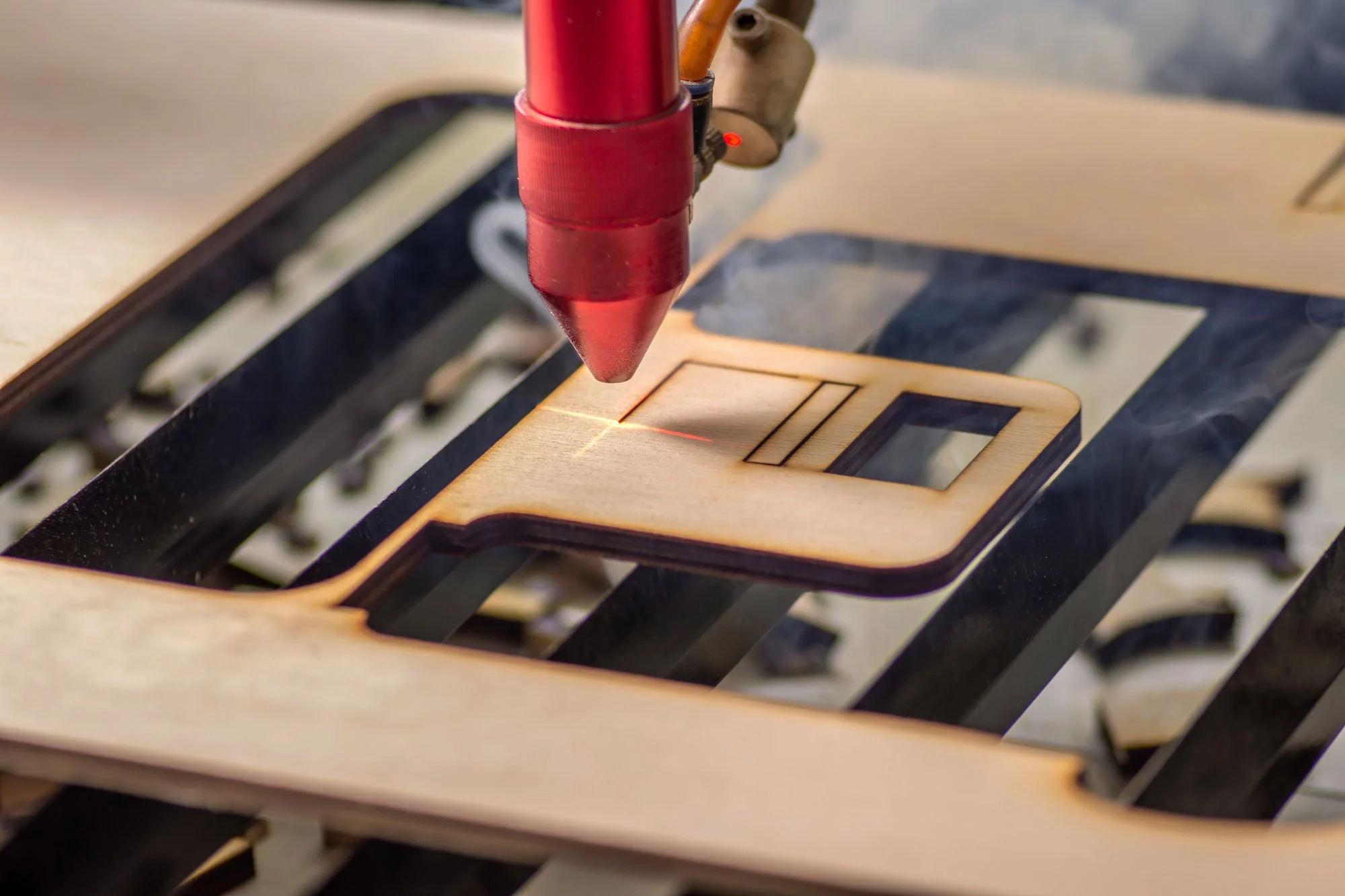
CNC machining gives businesses a controlled way to turn digital designs into accurately cut components. Once programmed, CNC machinery can cut, drill, profile and groove materials to the required specification.
The process is suitable for detailed shapes and features that would be difficult or time-consuming to create by hand. It also provides the repeatability needed for batch production, where every component must match.
Benefits include:
Accurate production from CAD files
Consistent dimensions across repeat components
Support for complex profiles, curves, cut-outs and boreholes
Efficient use of sheet materials
Flexibility across one-off pieces and larger production runs
Easier design changes when specifications need to be updated
Industries Using CNC Machining
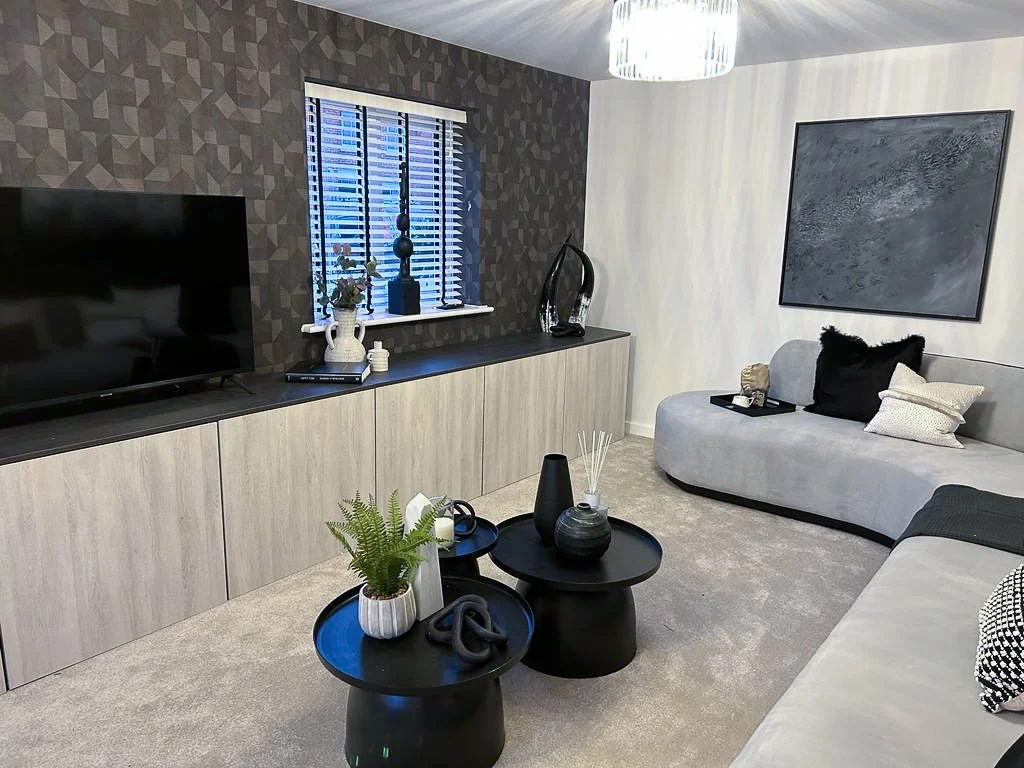
CNC machinery can be programmed around the requirements of each project. This makes it useful across industries that need bespoke components, repeat production or additional capacity during busy periods.
Furniture Manufacturers
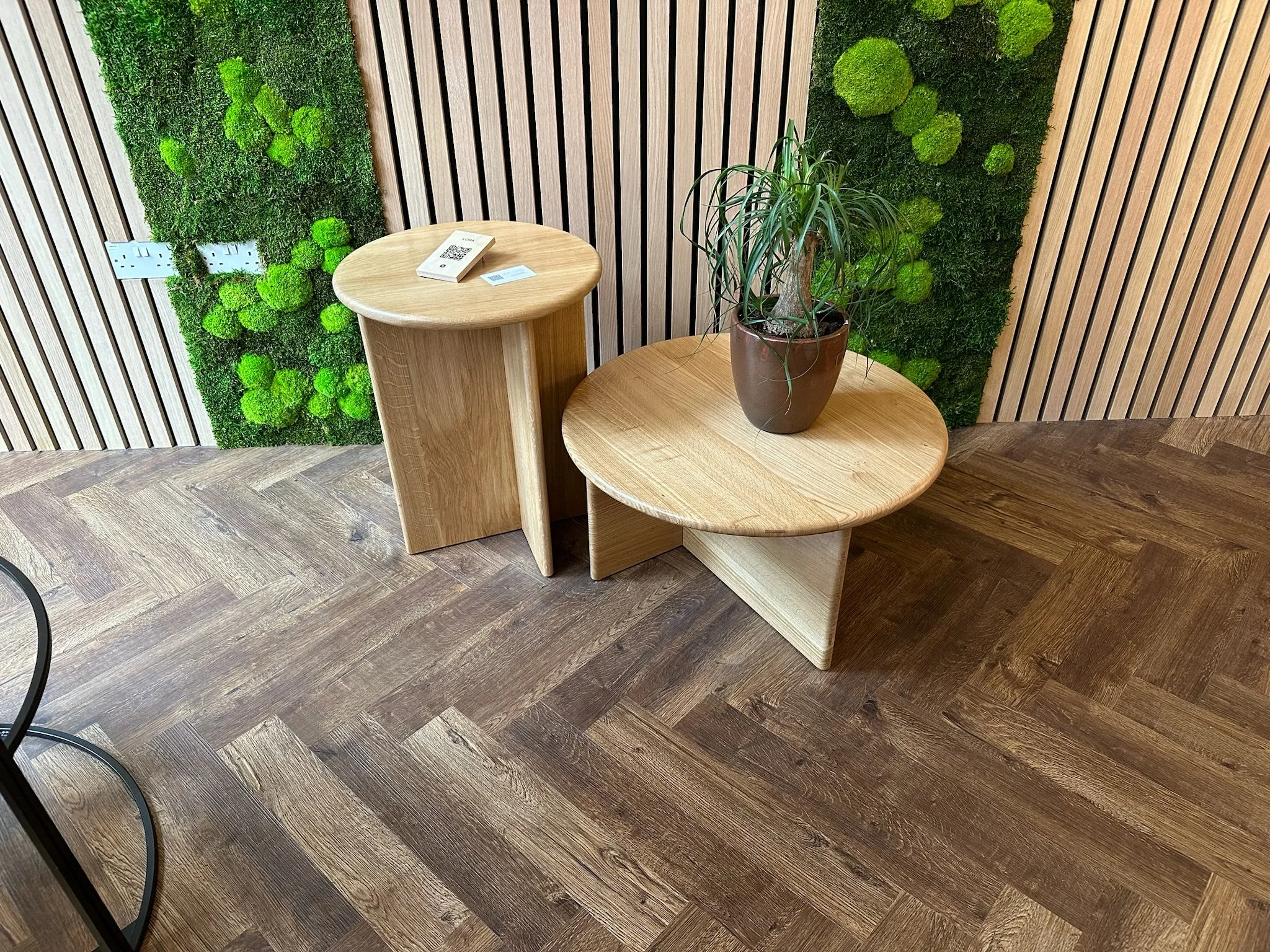
Furniture manufacturers use CNC machining to produce cabinet parts, drawer components, doors, shelving, table tops and frames. Joint details, drilling positions and profiles can all be included within the machining programme, cutting down the manual work needed before assembly.It is equally useful for a single bespoke piece or a complete product range. Manufacturers can also outsource production when their in-house equipment is already at capacity.
Kitchen Manufacturers
Accuracy matters in kitchen production, particularly when doors, cabinets and fittings need to line up correctly. CNC machinery can produce cabinet components, drawer fronts, end panels, plinths and shelving with the necessary holes and recesses already in place.Design files can be adapted for different cabinet sizes and room layouts. This allows manufacturers to offer bespoke options without losing control of the production process.
Interior Designers
Interior designers often need features that are not available as off-the-shelf products. CNC machining can be used to make decorative panels, fitted furniture, screens, wall features and specialist joinery components. Curved shapes, repeated patterns and detailed cut-outs can be recreated directly from the design file. This helps carry the original concept through to manufacture without relying on time-consuming hand cutting.
Retail Fit-Outs
A retail fit-out may require display units, shelving, counters, plinths, signage and branded features, often within the same project. CNC machining allows these elements to be made around the store layout and agreed design.For roll-outs across several locations, the same files can be used to reproduce approved components consistently. Parts can also be labelled and supplied flat-packed, ready for transport and installation.
Office Fit-Outs
CNC machining is used to produce reception desks, worktops, storage units, shelving and fitted office furniture. Cut-outs for cables, equipment and building features can be included at the machining stage. It also works well for larger projects where matching desks or partitions are needed across several floors or offices.
Hospitality Businesses
Hotels, restaurants, bars and leisure venues often need furniture and joinery tailored to a specific layout or visual style. CNC machinery can produce bar fronts, table components, counters, shelving, host stations and decorative panels. The process supports bespoke statement pieces as well as repeat components for larger venues or multi-site operators.
Exhibition and Event Contractors
Exhibition contractors work to fixed deadlines, so components need to arrive accurately cut and ready for assembly. CNC machining is commonly used for stands, display walls, counters, plinths, signage and modular structures.Digital files can be retained for future events, making it easier to produce extra parts or replace damaged components without starting the design process again.
Property Developer and Housebuilders
Property developers and housebuilders can use CNC machining for fitted storage, wall panelling, show-home furniture and other joinery components. Standard parts can be repeated across several properties, while selected plots or show homes can receive bespoke features. Working from approved digital files also helps maintain consistency across different phases of a development.
Architects
CNC machining allows architects to turn technical drawings into prototypes, scale models, templates, decorative screens and finished interior features.Bringing a CNC partner into the project early can also help identify practical changes to improve material use, assembly or machinability while retaining the intended design.
Public Sector Projects
Schools, healthcare settings, libraries and public offices often require fitted storage, counters, shelving and durable interior components. CNC machining provides a controlled production method based on the project drawings. It can support a single refurbishment or a wider programme covering multiple rooms and buildings. Materials and finishes must still be selected according to the requirements of the individual setting.
Why is CNC Machining Ideal for Both Bespoke and Batch Projects?
For bespoke work, CNC machining allows a one-off part to be produced from a suitable design file. It is well suited to prototypes, unusual dimensions and components made for a specific project. If the design changes, the file can be updated before another part is produced.
Once the design has been approved, the same programme can be used for batch manufacturing. This maintains consistency across the production run and spreads the initial programming and setup time across more components.
Read more about how large-scale CNC machining works or find out whether CNC machining is worth it for small batches.
Choosing a CNC Partner For Your Industry
The right CNC partner should understand the complete production requirement, not simply operate the machinery. They need to consider the design, material, required finish and order volume before manufacturing begins.Points to check include:
The materials and board types they can machine
Whether their equipment can accommodate the required dimensions
How they review drawings and CAD files
The tolerances they can work to
Their approach to quality controlCapacity for batches and repeat orders
Available finishing, assembly and packaging services
Lead times and delivery arrangements
How design changes and repeat orders are handled
Businesses with their own CNC machinery may also need a partner that can provide dependable overflow capacity during busy periods.
How Cut to Size Can Help Your Next Project
Cut to Size provides CNC manufacturing support from initial design development through to machining, finishing, assembly and delivery. Our team works with manufacturers, designers, fit-out contractors and other commercial clients across the UK.
Projects can begin with an existing drawing or a production-ready CAD file. We can then review the specification and manufacture anything from a one-off component to a repeat production run.
To discuss your requirements, call 01527 352306, email info@cuttosize.co or use our contact form to submit your drawings and request a quotation.
Related Posts