CNC Furniture: How Does The Manufacturing Process Work?
CNC furniture manufacturing uses computer-controlled machinery to create precise components according to a digital design. Furniture manufacturers, interior designers and shopfitters use this process for accurate bespoke parts and repeat production. This guide explores each manufacturing stage, who uses CNC furniture, its benefits and the projects it can support.
What Is CNC Furniture?
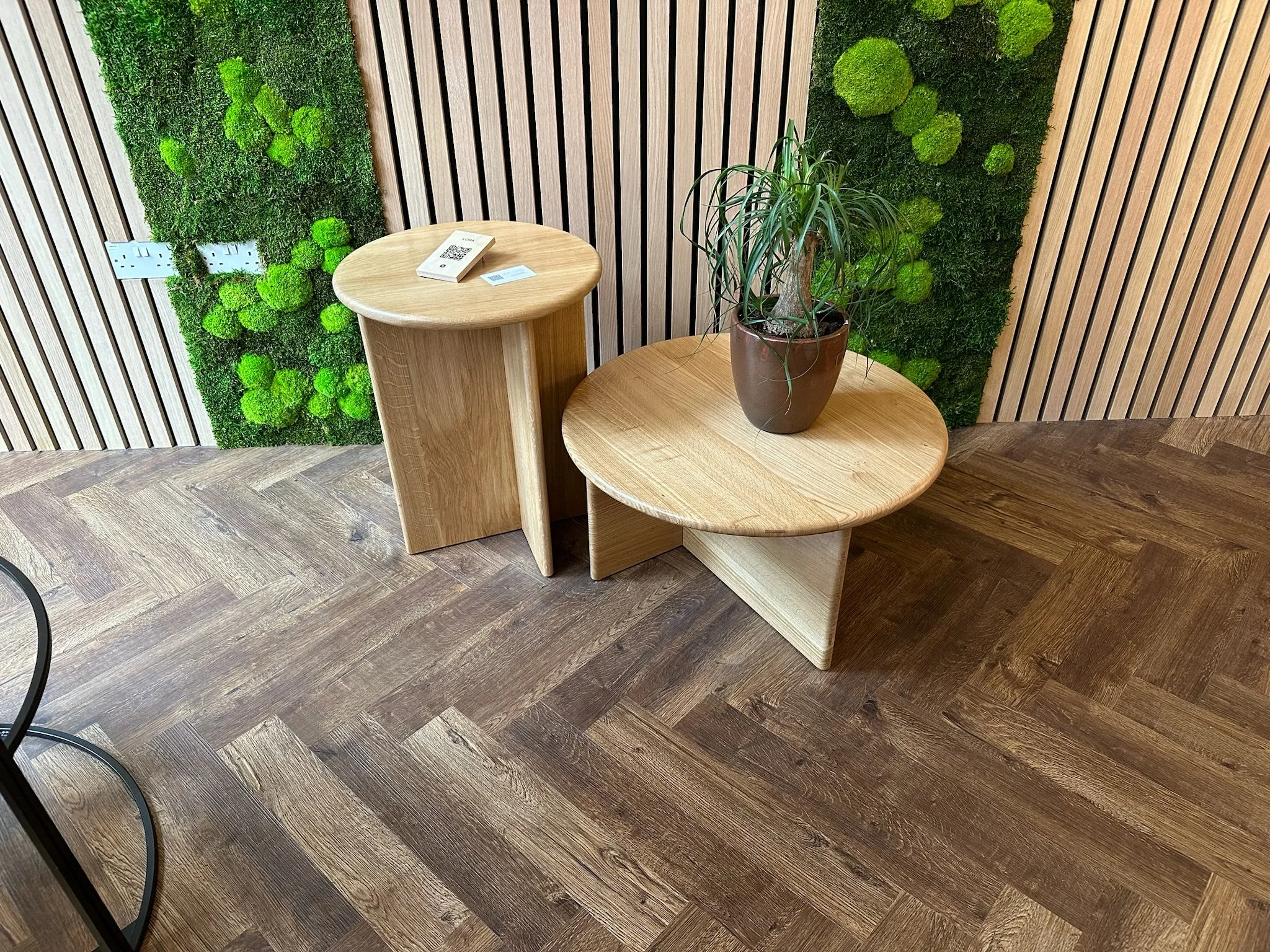
CNC furniture refers to furniture or components produced using computer-controlled machinery. Digital design files guide CNC equipment to cut, drill and profile materials accurately, creating parts ready for assembling and finishing. Common materials include MDF, plywood, chipboard and solid timber, depending on the required appearance, strength and application.
How Does the Manufacturing Process Work For CNC Furniture?
The manufacturing process follows several controlled stages that turn a digital design into finished components. Each step is vital to ensuring the finished furniture meets the required dimensions, finish and quality standards.
1. Creating the Design
The process begins by creating or refining a digital design using CAD software. This file defines the component dimensions, shapes, drilling positions and other features. Material choice is also considered at this stage to ensure the design is practical to manufacture and suitable for the furniture’s intended use.
2. Preparing the CNC Machine
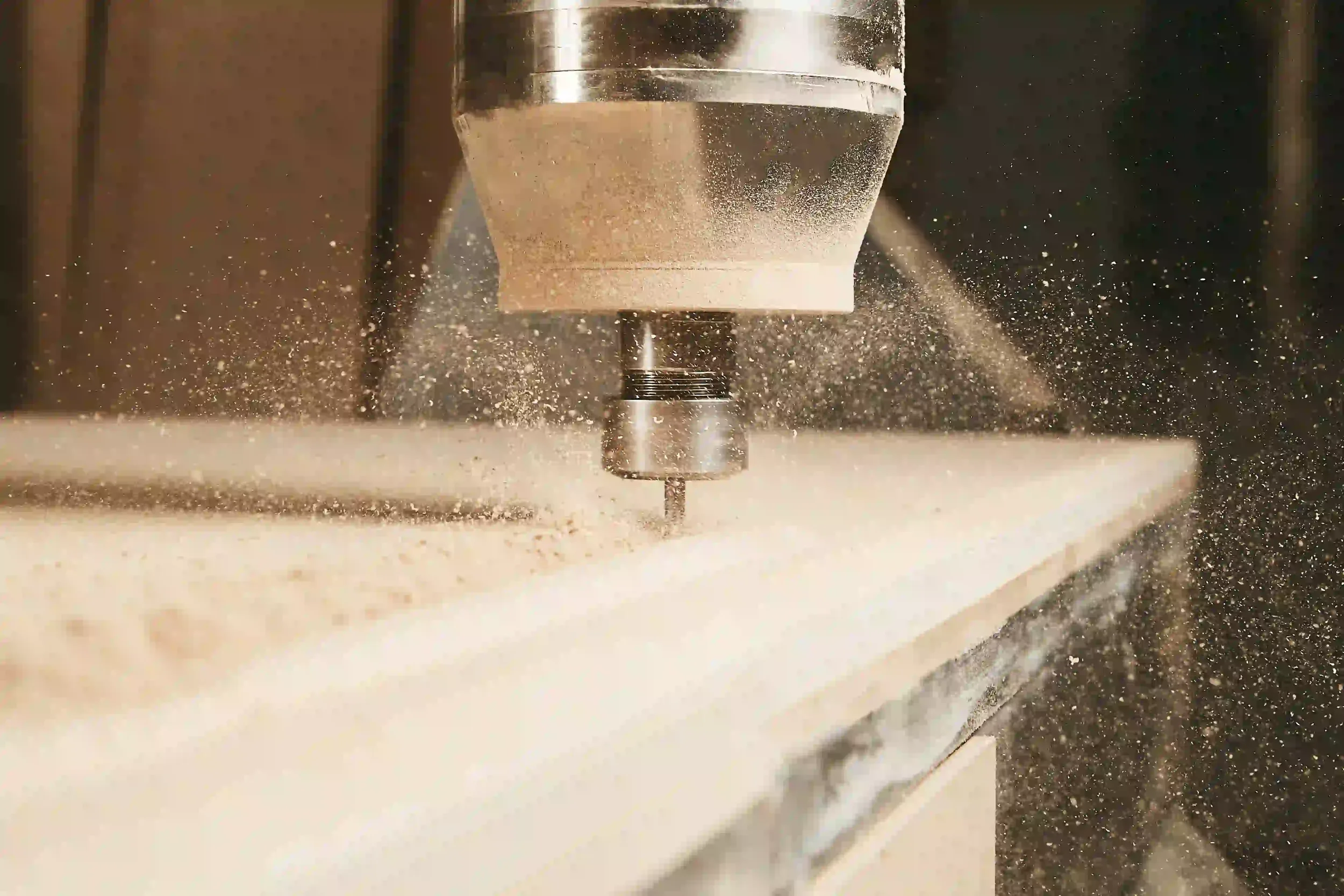
Before machining begins, the operator selects the appropriate cutting tools and securely loads the chosen material. The machine is then calibrated and programmed using the approved design file. Final setup and safety checks confirm that the equipment, tooling and material are ready for accurate production.
3. Cutting the Furniture Components
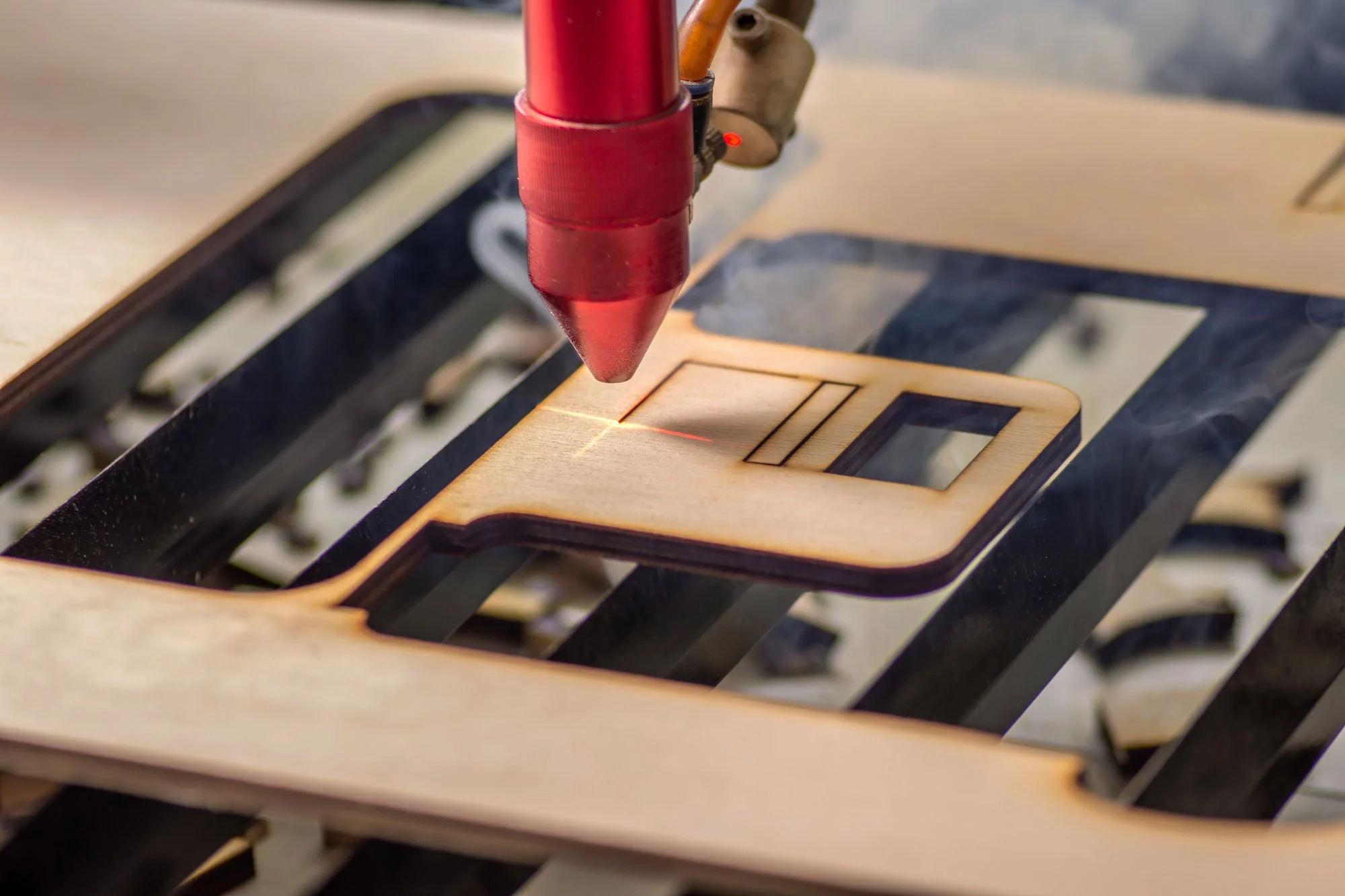
The CNC machine follows the programmed design to cut, drill and profile each furniture component. It can produce complex shapes, grooves, recesses and drilling patterns quickly and reliably. This computer-controlled process also helps maintain consistent dimensions across bespoke pieces and repeat production batches.
4. Assembly and Finish the Furniture Piece
Once machined, the components are prepared for assembly. Depending on the design and material, this may include edgebanding exposed edges, sanding surfaces and applying the required finish. The individual pieces are then assembled or supplied ready for the furniture manufacturer to complete.
5. Inspection and Quality Check
Each component is thoroughly inspected against the approved design and project specifications. Dimensions, drilling positions, edges and surface quality can be checked to identify issues before delivery or final assembly. Quality control helps ensure furniture components fit together and remain consistent throughout the production run.
What Are The Benefits of CNC Furniture?
Efficient furniture production is supported by CNC machining, from accurate component manufacturing to faster batch output.
Consistency
CNC machining follows the same programmed instructions for every component, helping furniture parts maintain consistent dimensions, drilling positions, and profiles. This supports accurate assembly and dependable product quality across batches.
Quick Production
Automated cutting, drilling and profiling allow furniture components to be produced efficiently. Faster production supports shorter lead times, repeat orders and demanding schedules without sacrificing the required machining quality standards.
Design Flexibility
Digital designs can be adjusted to create bespoke dimensions, complex profiles, grooves and drilling patterns. This flexibility helps furniture businesses manufacture distinctive products without relying on restrictive dedicated tooling systems.
Reduced Material Wastage
CAD planning and optimised cutting paths help components fit efficiently across each sheet. Better material utilisation reduces waste and supports more sustainable furniture production, particularly when producing larger furniture batches at scale.
Easy to Scale
Once a design and machine setup are approved, the same furniture components can be reproduced across larger batches. This helps businesses respond to demand while maintaining consistent specifications and quality standards.
Who Uses CNC Machining For Furniture Production?
A wide range of freestanding, fitted and modular furniture can be produced using computer-controlled machinery. Common users include:
Furniture manufacturers: Produce consistent panels, frames, fittings and other components for bespoke pieces or larger product ranges.
Interior designers: Turn detailed concepts into accurately machined furniture and features for commercial, hospitality and residential interiors.
Shopfitters: Create counters, shelving, display units and other furniture designed around specific retail spaces.
Property developers: Commission fitted furniture, cabinetry and storage solutions for residential and commercial developments.
What Types of Furniture Can be Made Using CNC Machining?
A wide range of freestanding, fitted and modular furniture can be produced using computer-controlled machinery. Common applications include cabinets, wardrobes, shelving, desks, tables, media units, reception counters, retail displays and storage systems.
Is CNC Furniture Suitable For Bespoke Projects?
Yes. Digital designs can be adapted around specific dimensions, materials and practical requirements, making the process particularly suitable for bespoke furniture. Complex profiles, cut-outs, grooves, recesses and drilling patterns can all be incorporated.
Contact Cut to Size For Your Next CNC Furniture Project
Cut to Size provides design support, CNC machining, finishing and quality control for bespoke furniture components and repeat production. Send us your drawings or CAD files to discuss your requirements and request a quotation. Call 01527 352306 or email info@cuttosize.co.
Related Posts