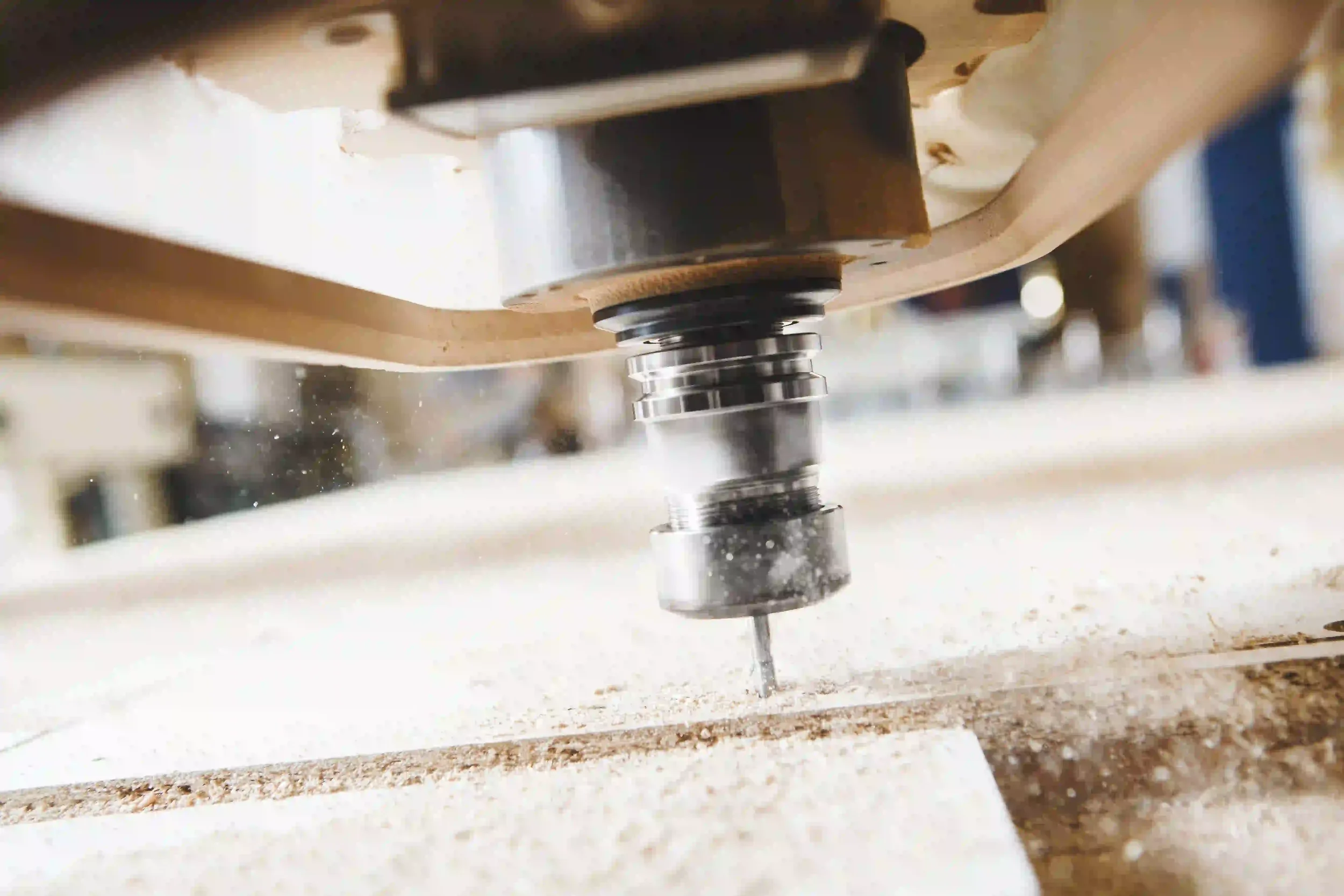
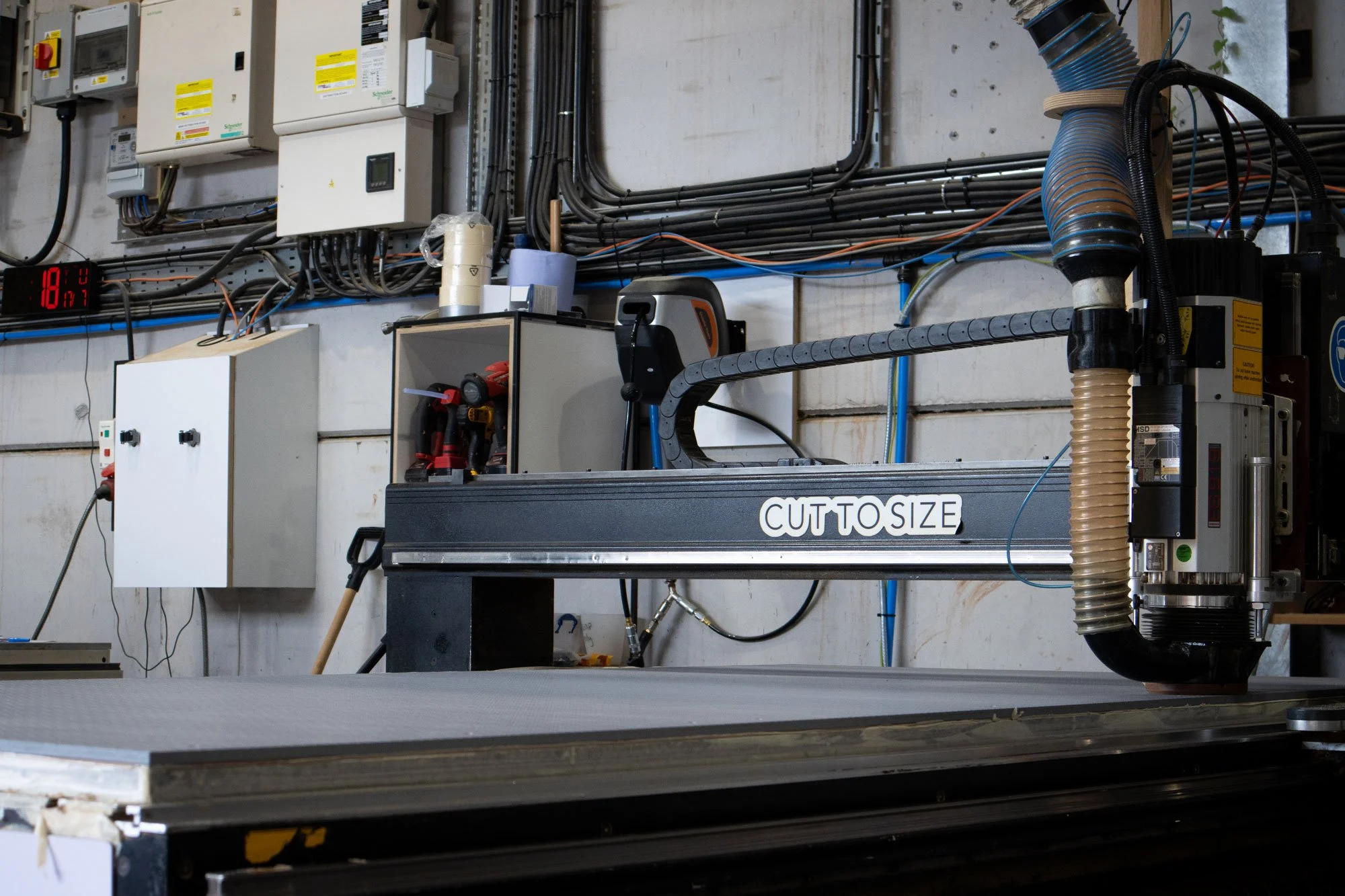
The main advantages of CNC machining include precision, repeatability, efficient production, flexibility across different materials and the ability to manufacture complex components from digital designs.
CNC machining uses computer-controlled equipment to remove material according to programmed instructions. Processes can include cutting, routing, drilling and profiling, reducing the need to produce every feature manually.
Our CNC experts have compiled this guide, which focuses on the practical benefits for businesses using CNC manufacturing. Or, for an introduction to the technology itself, see our guide to what CNC machining is.
What Are the Main Benefits of CNC Machining?
There are plenty of advantages to CNC machining including:
Precision and accuracy: Components can be machined to defined dimensions and project specifications
Consistency and repeatability: Approved programmes can be reused to reproduce matching components
Improved production efficiency: Automated machining can reduce the amount of repetitive manual work involved
Complex design capabilities: CNC machinery can create profiles, curves, recesses, grooves, holes and detailed cut-outs
Reduced material waste: Digital planning and efficient layouts can improve the use of available material
Design flexibility: Digital files can be amended for prototypes, bespoke components and revised designs
Scalability: CNC machining can support individual parts, batches and repeat production
Reduced manual intervention: Programmed operations can run without continuous manual control
10 Advantages of CNC Machining for Manufacturing
1. High Levels of Precision and Accuracy
CNC machinery uses programmed toolpaths to produce components with accurate dimensions, profiles, drilling positions and cut-outs. This reduces reliance on manual measuring and cutting. Precision is particularly valuable when manufacturing furniture, cabinetry and joinery components that must fit together correctly. It should be remembered, however, that specific tolerances depend on equipment, tooling and materials.
2. Consistent Results Across Repeat Production
Once a CNC programme has been created and approved, it can be reused to manufacture matching components. This helps furniture manufacturers, joinery businesses and commercial production teams maintain consistent dimensions and finishes across multiple parts.
This consistency also makes repeat orders easier to manage, as established digital instructions can be retained for future manufacturing requirements.
3. Improved Manufacturing Efficiency
CNC machinery can combine cutting, routing, drilling and profiling within an organised production process. This reduces repetitive manual tasks and helps manufacturers produce multiple components efficiently. Although programming and setup require preparation, CNC machining can streamline suitable production runs, improve workflow organisation and help businesses achieve consistent work.
4. Ability to Produce Complex Shapes and Designs
CNC machining allows manufacturers to create detailed shapes and features directly from digital designs. Depending on the equipment and material, this includes curves, grooves, pockets, recessed details, internal cut-outs and intricate profiles. It is also typically suited for bespoke furniture, retail displays, signage, interior features and joinery projects.
5. Reduced Material Waste
CNC machining can help manufacturers make better use of sheet materials through carefully planned digital cutting layouts. Nesting multiple components together can improve material utilisation and reduce unnecessary offcuts.
Another benefit of consistent machining is that it greatly helps minimise avoidable waste caused by inaccurate cuts or incorrectly positioned features. This supports waste minimisation and cost savings.
6. Flexibility Across Different Materials
CNC machinery can process various materials using suitable tooling and machining settings. These can include a wide range like MDF, plywood, timber, plastics, aluminium and composite panels. Each material requires an appropriate approach based on its properties and intended application.
This versatility is what has made CNC machining so popular and suitable for diverse commercial manufacturing, furniture production and bespoke joinery projects.
7. Greater Flexibility for Bespoke Designs
CNC machining makes producing custom components easier than ever by translating the digital designs into manufacturing instructions. You can supply CAD files, technical drawings and/or specifications containing individual dimensions and features.
These processes are suited for supporting bespoke furniture, fitted interiors and retail display projects.
8. Suitable for Prototyping and Product Development
CNC machining enables manufacturers to transform digital designs into physical prototypes that can be tested and assessed before moving into full production. Initial components can be manufactured to evaluate dimensions, fit, compatibility and overall functionality.
Wherever improvements are required, modifications can be made to the digital design, allowing businesses to refine and optimise new furniture products and manufactured components before production begins.
9. Scalable for Small and Large Production Runs
CNC machining can accommodate individual bespoke components, smaller batches and larger repeat production orders. Once programmes are prepared, digital instructions can be retained for future manufacturing. This flexibility helps businesses be operationally dynamic.
10. Reduced Reliance on Manual Machining
Programmed CNC operations reduce the need for operators to guide every individual cut, drilling operation or profile manually. Skilled operators do still remain essential for programming, tooling, machine setup, monitoring and quality checks, allowing their expertise to focus on maintaining production standards and consistent results.
Are There Any Disadvantages of CNC Machining?
Although CNC machining offers many manufacturing advantages, it may not be the most suitable process for every project. Some potential limitations include:
Programming and setup: Machining requires digital design files, programming, tooling and machine preparation before production can begin
Cost considerations: Setup requirements can make CNC machining less cost-effective for simple or very small production runs
Skilled operators: Experienced programmers and machine operators are needed to maintain accuracy and production quality
Machine capabilities: Component size, shape, material and design features must be compatible with the available machinery
Maintenance and tooling: Regular servicing, replacement cutting tools and consumables contribute to ongoing operating costs
Although there are many advantages to CNC machining, it isn’t immediately the right manufacturing method. This actually depends on the design, material, production quantity, accuracy and overall project requirements.
CNC Machining vs Traditional Machining: What Are the Benefits?
The main difference between CNC and manual machining is the level of automation involved.
Manual machining for instance, depends on an operator controlling the equipment, whereas CNC machines follow computer-programmed instructions. CNC machining, on the other hand, offers greater consistency, repeatability and efficiency, particularly when producing complex components or larger batches, while manual methods may be more suitable for simple, one-off tasks.
Many manufacturers use both processes, selecting the most appropriate method based on accuracy, cost, flexibility and production requirements.
How Can CNC Machining Benefit Different Industries?
Now you know the advantages of CNC machining, but in what industries can it be implemented:
Furniture manufacturing: Panels, doors, frames and fixing features
Joinery and cabinetry: Grooves, recesses, profiles, holes and joint details can be incorporated into components before assembly
Interior design and fit-outs: Bespoke panels, fitted furniture and decorative features
Retail displays and signage: Custom shapes, lettering, display components and repeat fixtures
Product development and manufacturing: CNC machining can move components from prototypes into repeat production while retaining the approved digital design as the manufacturing reference
Take Advantage of CNC Machining With Cut to Size
Cut to Size offers professional CNC machining services for commercial projects throughout the UK, helping businesses transform digital designs into finished components.
Our services include CNC routing, cutting, drilling and profiling across MDF, plywood, timber, plastics, aluminium and composite materials. We accommodate bespoke components, prototypes and larger production batches, with additional services including sanding, spray finishing, assembly, packaging and nationwide delivery.
Simply provide your drawings, CAD files and project specifications to discuss your manufacturing requirements with our team.
Frequently Asked Questions About CNC Machining Advantages
-
There are many advantages of CNC machining, chief amongst which is precision and repeatability. Pre-programmed toolpaths make it possible to batch-manufacture components to defined specs.
-
CNC machining can provide greater consistency because movements are controlled by programmed instructions. Actual accuracy still depends on the machine, tooling, setup, material and component design rather than CNC technology alone.
-
CNC machining can reduce costs on suitable projects through efficient production, repeatability and reduced rework. Programming, setup, tooling and machining time still carry costs, so it is not automatically cheaper for every component.
-
Yes. Digital planning and nesting can arrange components efficiently across sheet materials and reduce avoidable offcuts. Consistent programmed machining can also limit waste caused by incorrectly positioned cuts, holes or profiles.
-
Absolutely. CNC machining can suit bespoke components, prototypes and smaller batches where the design and setup requirements justify the process. Suitability should be assessed against complexity, material choice, quantity needed and any other required features.
-
Suitable materials can include MDF, plywood, solid timber, selected plastics, aluminium and composite panels. The correct machining process, tooling and setup depend on a variety of different components.
-
Programmed toolpaths can produce curves, detailed profiles, grooves, recesses, drilling patterns and internal cut-outs consistently. This makes CNC machining useful where component geometry would be difficult or time-consuming to reproduce manually.
Related Posts