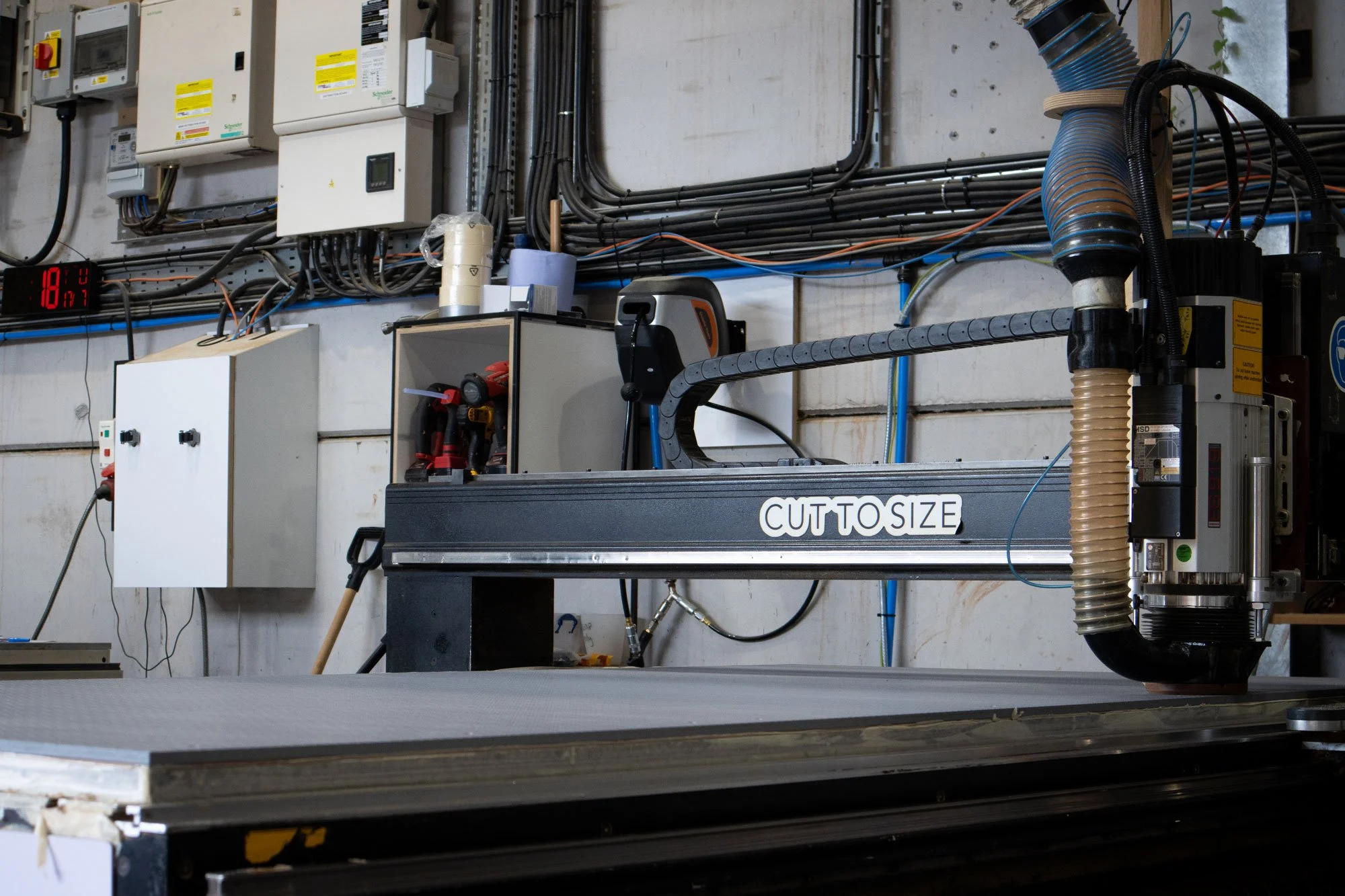
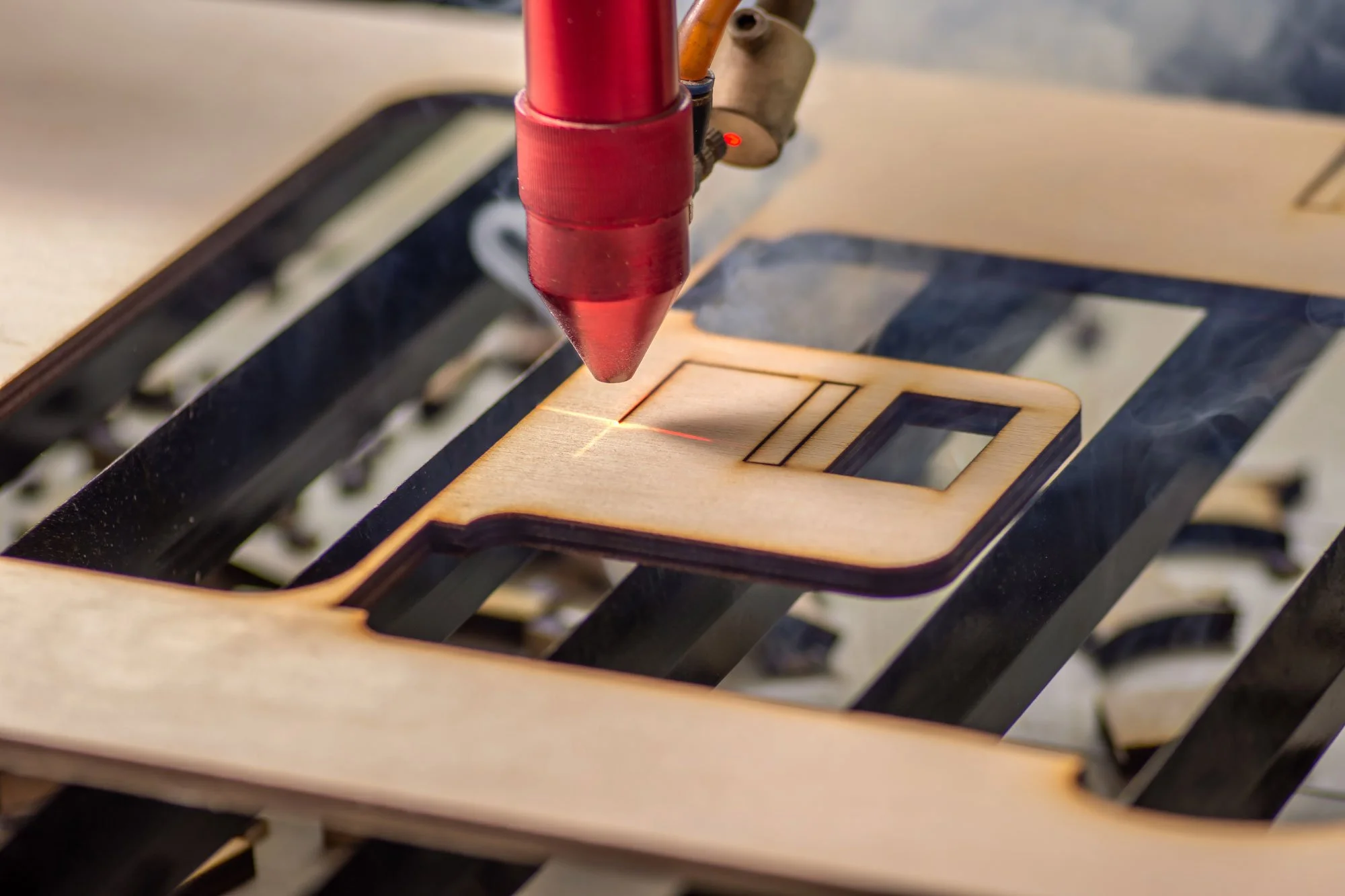
What Is Subcontract CNC Machining?
Subcontract CNC machining involves outsourcing CNC manufacturing to a specialist, who produces components to agreed drawings, CAD files and specifications. It can support bespoke projects, prototypes, repeat batches or additional capacity when internal resources are limited.
Businesses may also subcontract to access specialist processes, materials or expertise. Cut to Size provides CNC machining for commercial clients, from prototypes to production.
How Does CNC Subcontract Machining Work?
The exact process will of course depend on production requirements, materials and the component itself. But the general steps will remain the same.
1. Drawings and Requirements Are Supplied
The Cut to Size team can work from sketches, technical drawings and CAD files provided by your team that includes details about materials, amounts, dimensions, tolerances, finish and delivery dates. We also offer design support wherever necessary.
2. The Project Is Reviewed
This step can include assessments of the material, geometry, required CNC processes, quantities and any other finishing or assembly requirements. This is a key way to identify any potential issues before production can begin.
3. Components Are Manufactured
Once the specification has been confirmed, the machining programme and production setup can be prepared to suit the component and its requirements.
Depending on the application, our team can use a range of CNC processes, like routing, cutting, drilling and profiling, as well as creating grooves, recesses and more complex shapes.
4. Components Are Checked and Finished
All manufactured components should be checked against the initially agreed specifications before the order is fulfilled. This process also involves the completion of value added processes like sanding, surface refinement, spray finishing and assembly.
5. Components Are Packed and Delivered
Completed components can then be labelled, packed and prepared for transport, including repeat production orders and nationwide delivery. This can be particularly useful where parts need to arrive organised for assembly, installation or the next manufacturing stage.
Why Do Manufacturers Subcontract CNC Machining?
Businesses subcontract CNC work for several reasons. In many cases, the decision is less about replacing internal production and more about adding capacity or capability where it is needed.
Increasing Production Capacity
Subcontracting is the ideal solution for obtaining added manufacturing capacity when order volumes increase, deadlines are going to overlap, your existing machinery is at capacity or investing in additional machinery or workers is currently not an option.
Accessing Specialist CNC Capabilities
Your business may already operate CNC equipment but lack the right machinery, tooling or processes for a particular component. Using an external CNC specialist can provide access to those capabilities without internal management.
Managing Peaks in Demand
CNC subcontract machining can be exceptionally useful in providing overflow manufacturing support during busy periods. This will allow your business to increase output on a flexible basis rather than making permanent adjustments for short-term peaks.
Reducing Capital Investment
CNC machinery requires significant investments in floor space, maintenance, trained workers and the equipment itself. One of the benefits of subcontracting is that another company has made those investments for you, so you have the potential of saving costs and reducing the need for expansion.
Keeping Internal Production Focused
Outsourcing selected components can also free internal machinery and production teams for other work. For instance, you could choose to retain its highest-priority or most frequently produced components in-house while placing other batches with a subcontract partner.
Who Uses CNC Subcontract Machining?
CNC subcontract machining is relevant to businesses that rely on accurately manufactured components but do not necessarily want, need or have the option of every production stage being handled internally.
Industries that can use CNC machining can include:
Furniture manufacturers
Joinery businesses
Interior and fit-out contractors
Product manufacturers
Production and operations teams
Businesses with existing CNC departments
Companies developing new products
Manufacturers requiring repeat component batches
What Can Be Outsourced to a CNC Subcontractor?
Subcontract CNC machining as a process can cover an entire component run or manufacturing stage. The best arrangement should begin with component specifications to determine the right process based on design, material, dimension and eventual applications.
These processes can include:
CNC routing
Precision drilling
Profiling
Complex shapes and internal cut-outs
Grooves and recesses
Joinery components
Furniture components
Modular furniture parts
Signage components
Bespoke manufactured parts
Repeat component production
Subcontract CNC Machining for Overflow Capacity
Overflow production is a key reason for manufacturers to use CNC subcontractors. When internal machinery is fully committed, outsourcing provides additional capacity without investing in new equipment, hiring operators or extending shifts.
This far more flexible approach can help maintain delivery schedules and accept additional work. The Cut to Size team can support furniture, joinery, interiors and other commercial manufacturing needs.
One-Off Projects vs Repeat Subcontract Production
One-Off and Prototype Components
Subcontract CNC machining can be an ideal option for producing prototypes, bespoke components and development parts. This is a benefit for businesses testing designs, confirming requirements and refining the final product before commitment to batch runs.
Batch and Repeat Production
Once approved, CNC machining can produce consistent components across batches and repeat orders. Digital files and agreed specifications provide a reliable reference, with materials and tolerances reviewed as required.
What Should You Look for in a CNC Machining Subcontractor?
The right CNC machining subcontractor depends on what your project requires, like the material choices, production capacity and general processes.
Relevant CNC Capabilities
Start with the component itself. The subcontractor needs suitable machinery, tooling and production methods for the geometry, holes, profiles, grooves or other features required.
Material Experience
Check that the subcontractor regularly works with the material specified for the project, as different materials require different tooling, approaches and skills.
Production Capacity
A supplier must be able to accommodate the required quantities and delivery expectations. This becomes particularly important for repeat production or overflow work.
Quality Control
Quality control should be considered and implemented throughout the production process rather than simply inspecting finished work once the entire order has been manufactured.
Finishing and Assembly
Where finishing, assembly or packing is required, using a subcontractor that can complete those stages may reduce the number of separate suppliers involved.
Communication and Reliability
In some ways, the most important aspect is reliability of the subcontractor itself and their levels of communication throughout the project.
Subcontract CNC Machining vs In-House Production
There isn’t a definitive right choice between outsourcing machining or keeping it in-house. Internal manufacturing can suit businesses with consistent demand, available machinery and the necessary skills.
Subcontracting CNC machining processes can provide greater flexibility when equipment is fully utilised, demand fluctuates, specialist processes are required, or additional capacity is needed.
There are many manufacturers that combine both approaches, keeping core production in-house while using subcontractors for overflow work, specialist machining, finishing or temporary production support.
From Subcontract Machining to Complete Production Support
A subcontract manufacturing partnership can extend past simply creating the component itself. You could also benefit from additional support like:
Design development
Production preparation
Prototyping
CNC manufacturing
Finishing
Assembly
Packing
Delivery
Partnering with Cut to Size means accessing a structured, broader production model from design support to machining to finishing, assembly and even packing.
CNC Subcontract Machining With Cut to Size
Cut to Size offers subcontract CNC manufacturing for individual components, repeat batches and additional production capacity. Our designers and engineers can support furniture, joinery, interiors and manufacturing businesses with routing, cutting, drilling and profiling, as well as component finishing, assembly, packing and delivery.
Contact us today with your drawings, CAD files or project details to discuss your requirements
FAQs About CNC Subcontract Machining
-
Subcontract CNC machining means outsourcing component manufacture to an external CNC specialist. The supplier works from agreed drawings, CAD files and specifications, producing one-off parts, batches or repeat orders on behalf of another business.
-
Companies that subcontract CNC machining can access additional production capacity, specialised equipment or technical expertise. It can help with fluctuating demand management and mitigating costly investments.
-
Yes. Manufacturers with their own CNC equipment often use subcontractors when internal machines are fully committed, additional specialist capability is required or temporary production demand exceeds the capacity available within their facility.
-
Of course, subcontracted CNC machining can support repeat batches where the component, material and production requirements can suit capabilities. Approved drawings and other manufacturing information are key for consistent future reference points.
-
Absolutely. Subcontract CNC machining can be used for individual bespoke parts, prototypes and initial production samples as well as larger batches. Suitability depends on the component design, material and other requirements.
-
CNC machining subcontractors typically need a drawing, CAD file or sketch alongside the material, dimensions, quantity, tolerances and required finish wherever possible. Delivery dates and locations should also be provided.
-
Subcontract CNC machining specifically involves outsourcing machining work or components.
Contract manufacturing can cover a broader proportion of production, potentially including sourcing, manufacture, assembly, packing and other stages of supplying a finished product.
-
Check whether the supplier has suitable CNC capabilities, material experience, available production capacity and appropriate quality controls. Finishing, assembly, communication and delivery reliability should also be considered.
Related Posts