What is 5 Axis CNC Machining?
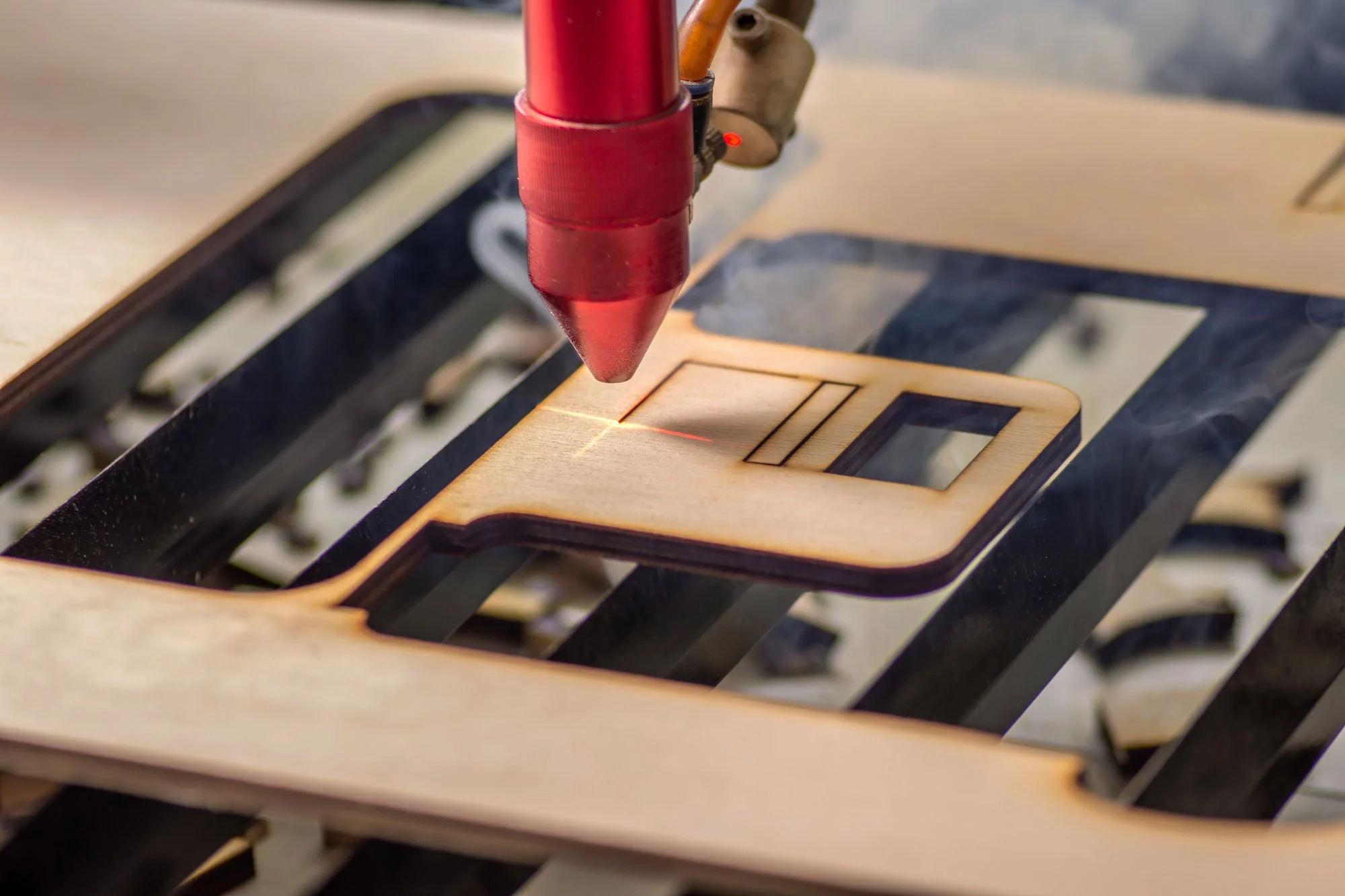
5 axis CNC machining is one of the most advanced manufacturing methods that enables the installed tooling to move and operate over 5 axes simultaneously. This system means that components can be machined from various different angles in a single operation, which makes the creation of complex parts more consistently accurate. In this guide our experts have explained what 5 axis CNC machining is, the key advantages, suitable materials, how it differs from 3 axis CNC machining and the industries it finds the most use.
How Does 5 Axis CNC Machining Work?
A 5-axis CNC machine works by combining the traditional three axes of linear movement found in 3-axis CNC machines with two additional rotational movements. This means that a component can be engineered from several angels without the need for consistent positioning.
The process begins with a CAD design, which is translated into machine instructions using CAM software to read the geometric code. Once programmed, the machine follows the specified toolpaths to remove material and create the required shape. The additional axes allow the cutting tool to reach areas that would be difficult or impossible to access using conventional machining methods.
CNC machining like this, is so important in modern industry as reducing manual intervention and limiting the number of setups required, 5 Axis machining delivers greater efficiency and consistency when producing complex components.
The Different CNC Axes
The X, Y and Z axes are the standard trio found in both 3, 4 and 5-axis CNC machines. 4-axis CNC machines will add a singular rotational movement, whereas 5-axis machines will add 2.
| Axis Name | Movement Completed |
| X-Axis | Width/Side to Side |
| Y-Axis | Depth/Front to Back |
| Z-Axis | Height/Up and Down |
| A-Axis | 360° rotational movement around the X-Axis |
| B-Axis | 360° rotational movement around the Y-Axis |
| C-Axis | 360° rotational movement around the Z-Axis |
Benefits of 5 Axis CNC
Accuracy and Precision
5-axis CNC machining offers exceptional levels of accuracy by allowing the cutting tool to remain at the most effective angle throughout the machining process. As fewer setups are required, the risk of positioning errors is significantly reduced. This results in tighter tolerances, greater consistency and improved quality across every component produced.
Surface Finish Quality
The ability to machine parts from the most optimal angles helps create a far superior surface finish. This is because the reduced vibration and tool deflection allow for cleaner cuts and smoother surfaces. As a result, components often require less finishing work after machining, helping to reduce production time and associated costs.
Reduced Setup Time
One of the main advantages of 5-axis machines, especially in busy manufacturing plants is the significant reduction in setup requirements. As multiple surfaces can be machined during a single operation there is no need to continuously remove and reposition the workpiece.
Production Speed
Similar to the reduced setup time benefit, by being able to complete more operations in a single setup, 5 Axis CNC machining can significantly shorten manufacturing times thanks to minimal physical intervention. This makes the process particularly beneficial for projects with tight deadlines or high production demands.
Tool Lifespan
Another benefit of 5 Axis machining is that it can help extend the life of cutting tools by maintaining more consistent cutting conditions. The use of shorter tools and improved tool positioning reduces vibration, heat generation and unnecessary wear. This can greatly lower tooling costs and reduce the frequency of tool replacements over time.
Which Materials are Suitable for 5 Axis CNC Machining?
5-axis CNC machining is suitable for a broad range of materials, making it a versatile solution for many manufacturing applications.
Metals like aluminium, stainless steel, titanium, brass and copper are arguably the most commonly machined due to their strength and performance characteristics. Then there are engineering plastics like PEEK, nylon, ABS and polycarbonate, which are also popular choices where lightweight or specialist properties are required.
Composite materials can also be machined effectively, particularly for applications involving complex geometries. The most suitable material will depend on the intended use of the component, required performance standards and budget considerations, but 5 Axis machining is capable of handling a wide variety of materials with precision.
Which Sectors Do 5 Axis Machining Benefit From?
5-axis CNC machining is used across numerous industries where accuracy, operational efficiency and highly complex component completion are essential.
The aerospace sector relies on the technology to manufacture intricate parts with demanding tolerances.
Automotive manufacturers use it for performance components, tooling and prototype development.
In the medical sector, it is commonly used to produce surgical instruments, implants and specialist equipment.
Other industries, including defence, marine, energy and electronics, also benefit from the flexibility and precision offered by 5 Axis machining.
Its ability to create highly complex parts with minimal setups makes it valuable wherever quality and consistency are priorities.
What is the Difference Between 5 Axis and 3 Axis CNC Machining?
The key difference between 3-axis and 5-axis CNC machining lies in the machine's range of movement. A 3-axis machine operates along the X, Y and Z axes only, meaning the workpiece often needs to be repositioned to access different surfaces. A 5-axis machine incorporates two additional rotational axes, allowing multiple sides of a component to be machined during a single setup.
3-axis machining is the more suitable option for straightforward parts and simpler manufacturing requirements. In contrast, 5-axis machining is often chosen for complex geometries, tighter tolerances and improved surface finishes. Although it may involve a higher initial cost, it can deliver significant efficiency gains for more demanding projects in the long run.
In a sentence, a 3-axis machine operates on linear movement, whereas a 5-axis machine operates on linear and rotational movement.
Considerations Before Choosing 5 Axis CNC Machining
Before selecting 5-axis CNC machining, it is important to evaluate the specific requirements of your project, budget, facility, available space and long-term need. Component complexity is, more often than not, the deciding factor, as parts with intricate features, that can boast higher prices, will benefit the most from more advanced technology.
Material type, required tolerances and surface finish expectations should also be considered. Production volumes can influence the overall cost-effectiveness of the process, particularly when efficiency gains outweigh the higher machine costs. Businesses should also assess lead times, budget constraints and the level of precision required.
Understanding these factors will help determine whether 5-axis machining is the most suitable manufacturing solution.
Discover Your CNC Machining Solution With Cut to Size
Here at Cut to Size, we provide a wide range of high-quality CNC machining services that have been tailored to the specific needs of your project. Whether you require a complex prototype, highly complex components, precision-engineered components or full production runs, our experienced team can deliver the solution for you.
Contact us today to discuss your requirements, request a quote on your upcoming project, seek advice on your designs or just to find out how our CNC machining expertise can help bring your project to life.
Related Posts